Common Engine Overheating Problems and How to Prevent Them
Engine overheating is one of the most serious problems a vehicle can experience. If ignored, excessive engine heat can lead to major damage, expensive repairs, and even complete engine failure. Many drivers don’t realize there’s a problem until warning lights appear or steam starts coming from under the bonnet.
Whether you’re driving through traffic in Geelong or taking long highway trips, keeping your engine operating at the correct temperature is essential for your vehicle’s performance and reliability.
In this guide, we’ll explain the most common causes of engine overheating, warning signs to watch for, and how to prevent serious engine damage.
Why Engines Overheat
Your engine generates a large amount of heat while running. The cooling system is responsible for controlling this heat and maintaining safe operating temperatures.
The cooling system includes:
- Radiator
- Coolant
- Water pump
- Thermostat
- Cooling fans
- Hoses
When one of these components fails, heat can build up quickly and cause the engine to overheat.
Common Signs of Engine Overheating
Recognizing the early warning signs can help prevent severe damage.
Rising Temperature Gauge
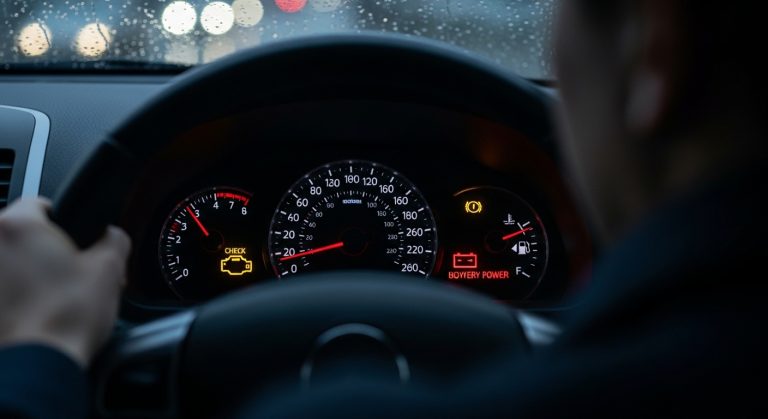
One of the clearest signs is the temperature gauge moving into the hot zone.
If the gauge suddenly rises above normal:
- Pull over safely
- Turn off the engine
- Allow the vehicle to cool
Ignoring this warning can damage the engine within minutes.
Steam Coming From the Bonnet
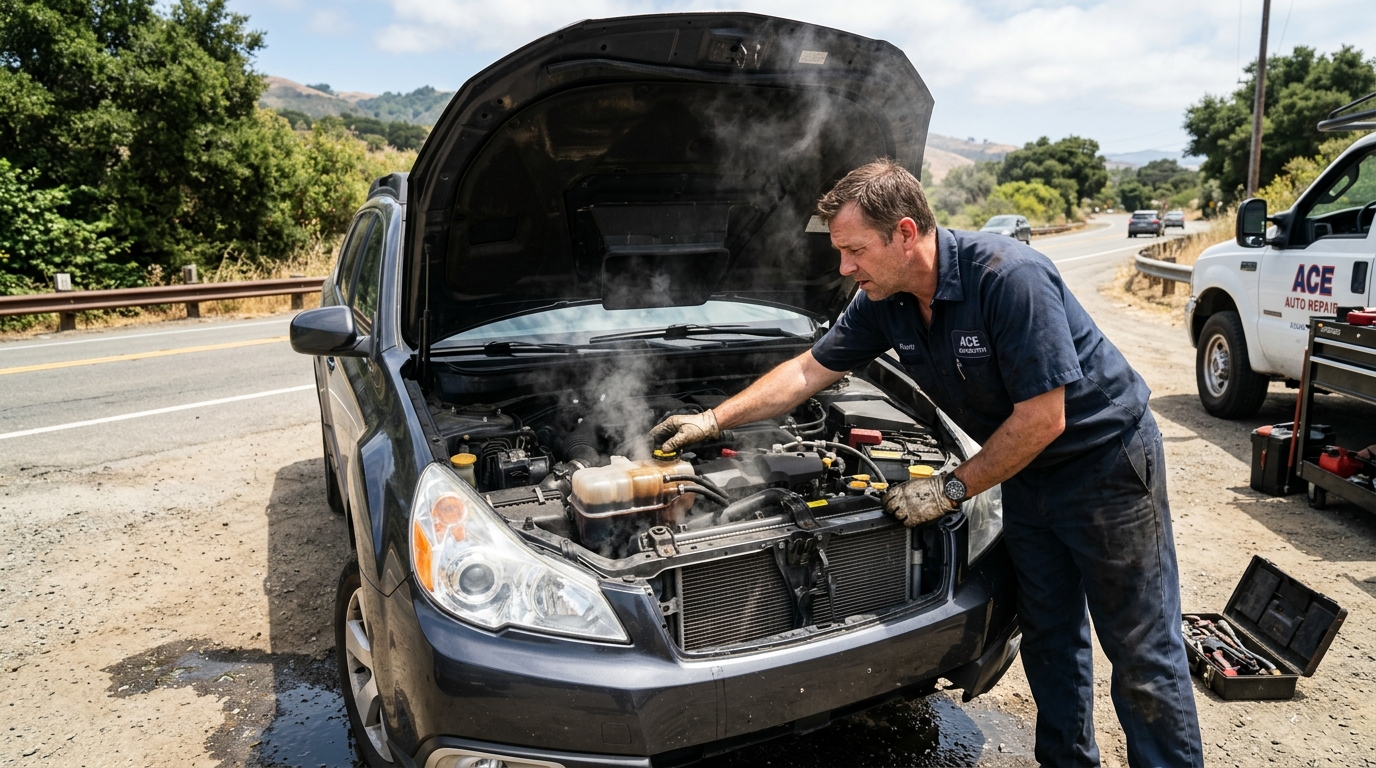
Steam under the bonnet usually means coolant is boiling due to excessive heat.
This often happens because of:
- Coolant leaks
- Radiator problems
- Failed cooling fans
Never open the radiator cap while the engine is hot, as pressurized coolant can cause serious burns.
Coolant Leaks
Coolant leaks are one of the most common causes of overheating.
Signs include:
- Bright green, orange, or pink fluid under the vehicle
- Low coolant levels
- Sweet smell from the engine bay
Even small leaks can quickly lead to overheating if ignored.
Burning Smell
Overheated engines may produce a burning odor caused by:
- Hot coolant
- Burning oil
- Melted rubber hoses
- Overheated components
A burning smell should always be inspected immediately.
Reduced Engine Performance
Overheating engines may lose power to protect internal components.
You may notice:
- Poor acceleration
- Engine hesitation
- Reduced performance
- Warning lights
Modern vehicles sometimes enter “limp mode” to reduce damage.
Most Common Causes of Engine Overheating
Low Coolant Levels
Coolant absorbs heat and helps regulate engine temperature.
Low coolant levels can occur due to:
- Leaks
- Evaporation
- Poor maintenance
Without enough coolant, the engine cannot cool properly.
Faulty Thermostat
The thermostat controls coolant flow through the engine.
If it becomes stuck closed:
- Coolant circulation stops
- Heat builds rapidly
- The engine overheats
Thermostat failure is a common overheating cause in many vehicles.
Radiator Problems
The radiator removes heat from the coolant before it recirculates through the engine.
Common radiator issues include:
- Blockages
- Leaks
- Corrosion
- Damaged fins
A damaged radiator reduces cooling efficiency significantly.
Broken Water Pump
The water pump circulates coolant throughout the engine.
If the pump fails:
- Coolant flow stops
- Heat builds quickly
- Severe overheating can occur
Water pump failure often produces whining noises or coolant leaks.
Cooling Fan Failure
Cooling fans help regulate temperature, especially during slow driving or traffic.
Faulty fans may cause overheating:
- In traffic
- At idle
- During hot weather
Electrical problems or failed fan motors are common causes.
Damaged Hoses
Cooling system hoses carry coolant between components.
Over time, hoses may:
- Crack
- Split
- Leak
- Collapse internally
A damaged hose can suddenly release coolant and cause rapid overheating.
What to Do If Your Engine Overheats
1. Pull Over Safely
If your engine temperature rises dangerously high:
- Turn off the air conditioning
- Pull over safely
- Stop the vehicle
Continuing to drive can cause catastrophic engine damage.
2. Turn Off the Engine
Switching off the engine helps prevent further heat buildup.
Allow the vehicle to cool completely before inspecting anything.
3. Do Not Open the Radiator Cap Immediately
Hot coolant systems remain under pressure.
Opening the radiator cap too early can cause:
- Boiling coolant spray
- Serious burns
- Injuries
Wait until the engine cools fully.
4. Check Coolant Levels
Once safe:
- Inspect coolant reservoir levels
- Look for visible leaks
- Check hoses and radiator
If coolant is very low, there may be a leak requiring professional repair.
5. Call a Mechanic if Necessary
Persistent overheating should always be professionally diagnosed.
Driving an overheating vehicle can lead to:
- Blown head gasket
- Cracked engine block
- Warped cylinder head
- Complete engine failure
How to Prevent Engine Overheating
Regular Cooling System Inspections
Routine inspections help detect small issues before they become serious.
A mechanic should check:
- Coolant condition
- Radiator performance
- Hose condition
- Fan operation
- Thermostat function
Maintain Proper Coolant Levels
Always keep coolant at the recommended level.
Use the correct coolant type specified by the manufacturer.
Replace Coolant at Recommended Intervals
Old coolant loses effectiveness over time.
Fresh coolant helps:
- Prevent corrosion
- Improve heat transfer
- Protect cooling components
Watch for Leaks
Small coolant leaks often worsen over time.
Address leaks immediately to avoid sudden overheating problems.
Inspect Belts and Hoses
Cracked or worn hoses should be replaced before failure occurs.
Preventative replacement is far cheaper than engine repairs.
How Overheating Can Damage Your Engine
Ignoring overheating can cause severe mechanical damage.
Common consequences include:
- Blown head gasket
- Engine seizure
- Cracked cylinder head
- Warped engine components
- Oil breakdown
Repair costs can quickly become extremely expensive if overheating continues.
Does Weather Affect Engine Temperature?
Yes. Hot weather increases stress on your cooling system.
Drivers in Geelong may experience higher overheating risks during:
- Summer heat
- Heavy traffic
- Long-distance driving
- Towing
Vehicles with neglected cooling systems are especially vulnerable in warm conditions.
Final Thoughts
Engine overheating should never be ignored. Even a single overheating incident can cause major engine damage if not handled properly.
Warning signs such as rising temperature gauges, coolant leaks, steam, or reduced engine performance should always be taken seriously.
Regular maintenance, coolant inspections, and quick repairs are the best ways to prevent overheating problems and extend your engine’s lifespan.
At Malik Automotive, professional cooling system inspections and preventative maintenance services help drivers in Geelong keep their vehicles running safely and reliably all year round.