Car Warning Lights Explained: What Drivers Should Never Ignore
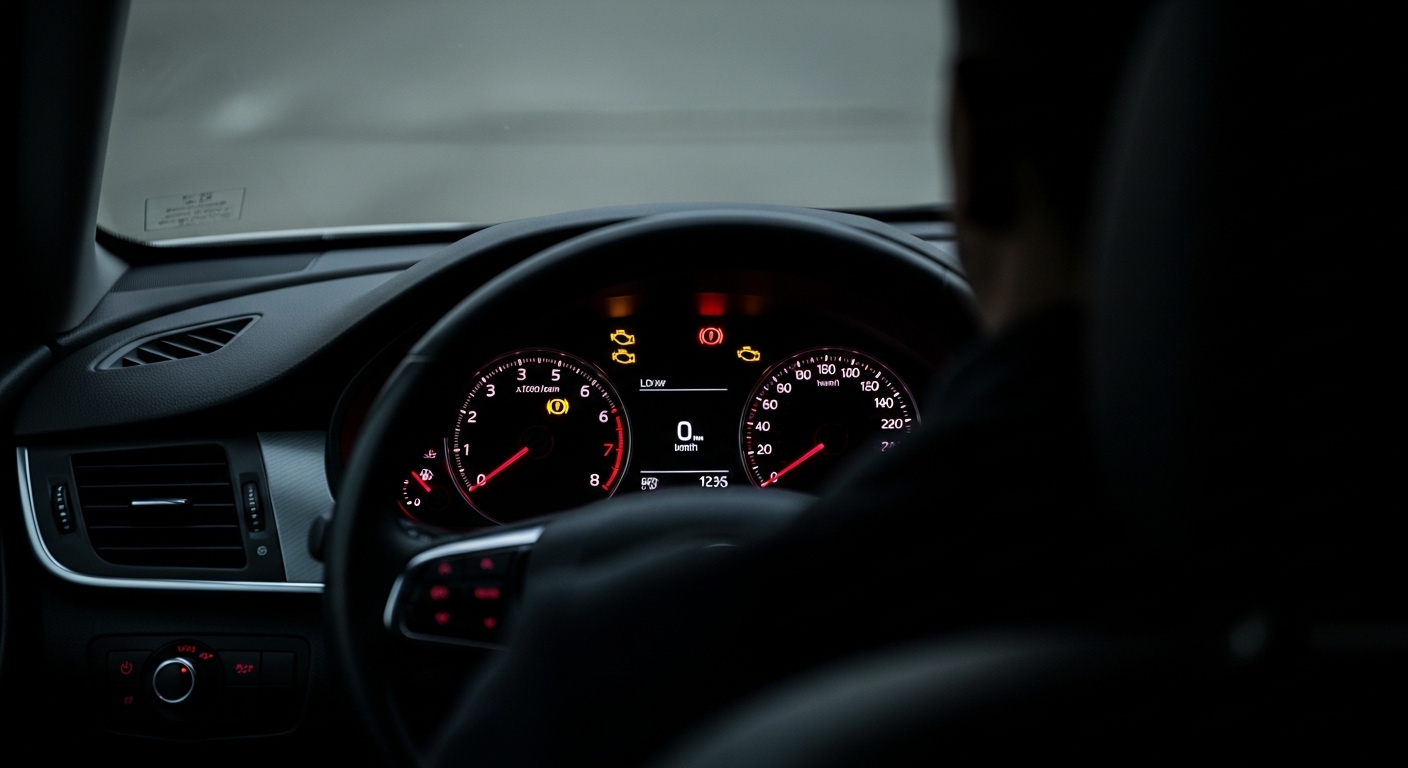
Modern vehicles are equipped with advanced dashboard warning systems designed to alert you when something is wrong. While some lights indicate minor issues, others signal serious problems that require immediate attention. Ignoring these warnings can lead to costly repairs, breakdowns, or even dangerous driving conditions.
In this guide, we’ll explain the most important car warning lights and what you should do when they appear.
Why Warning Lights Matter
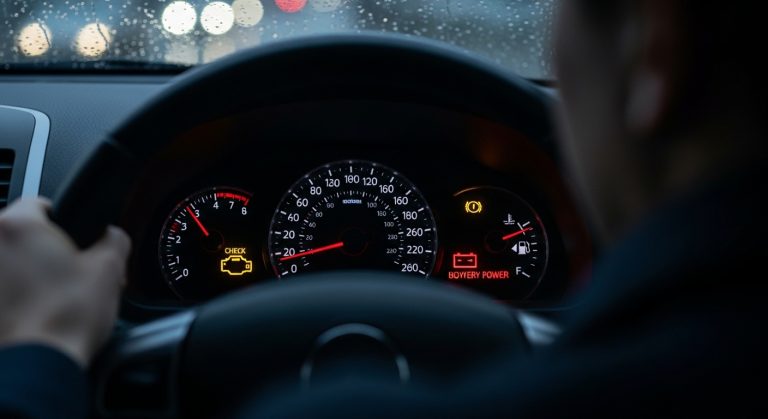
Dashboard warning lights are part of your vehicle’s onboard diagnostic system. They monitor key components such as the engine, brakes, battery, and safety systems.
Paying attention to these alerts can help you:
- Prevent major mechanical failures
- Maintain vehicle safety
- Avoid expensive repairs
- Extend the lifespan of your car
Most Important Warning Lights You Should Never Ignore
1. Check Engine Light
What it means:
This light indicates a problem with the engine or emissions system.
Common causes:
- Loose or faulty fuel cap
- Oxygen sensor failure
- Engine misfire
What to do:
If the light is steady, schedule a diagnostic check soon. If it is flashing, stop driving immediately and seek professional help.
2. Brake Warning Light
What it means:
There may be an issue with your braking system.
Possible causes:
- Low brake fluid
- Worn brake pads
- ABS system fault
What to do:
Do not ignore this light. Have your brakes inspected immediately to avoid safety risks.
3. Battery Warning Light
What it means:
The charging system is not working properly.
Possible causes:
- Faulty alternator
- Weak battery
- Loose or damaged cables
What to do:
Turn off unnecessary electronics and get your vehicle checked as soon as possible.
4. Oil Pressure Warning Light
What it means:
Low oil pressure, which can cause severe engine damage.
Possible causes:
- Low engine oil
- Oil pump failure
- Oil leak
What to do:
Stop the vehicle immediately and check oil levels. Do not continue driving if the light stays on.
5. Engine Temperature Warning Light
What it means:
Your engine is overheating.
Possible causes:
- Low coolant levels
- Radiator issues
- Faulty thermostat
What to do:
Pull over safely, turn off the engine, and allow it to cool before checking coolant levels.
6. Tire Pressure Warning Light (TPMS)
What it means:
One or more tires are underinflated.
Why it matters:
Low tire pressure affects safety, handling, and fuel efficiency.
What to do:
Check and adjust tire pressure as soon as possible.
7. ABS Warning Light
What it means:
There is an issue with the Anti-lock Braking System.
Why it matters:
Your normal brakes may still work, but emergency braking performance could be affected.
What to do:
Have the system diagnosed by a professional.
8. Airbag Warning Light
What it means:
A problem with the airbag or safety system.
Why it matters:
Airbags may not deploy in an accident.
What to do:
Get it inspected immediately to ensure safety.
Color Codes of Warning Lights
Understanding light colors helps you assess urgency:
- Red: Immediate danger — stop the vehicle as soon as it is safe
- Yellow/Orange: Needs attention soon — schedule a check
- Green/Blue: Informational — system is active
What to Do When a Warning Light Appears
- Do not panic
- Check your vehicle manual for guidance
- Assess whether the issue requires immediate action
- Avoid driving if the problem is serious
- Visit a qualified mechanic for diagnosis
Common Mistakes Drivers Make
- Ignoring warning lights for too long
- Assuming the issue is minor
- Resetting lights without fixing the problem
- Continuing to drive with serious warnings
Final Thoughts
Car warning lights are your vehicle’s way of communicating potential problems. Taking them seriously can prevent breakdowns, reduce repair costs, and most importantly, keep you safe on the road.
If a warning light appears and you are unsure what it means, it is always better to have your vehicle checked rather than risk further damage.