Why Tire Pressure Is Critical for Safety and Fuel Efficiency
Maintaining the correct tire pressure is one of the simplest yet most important aspects of vehicle maintenance. Despite its importance, many drivers overlook it until problems arise. Proper tire pressure not only ensures your safety on the road but also improves fuel efficiency and extends the life of your tires.
In this guide, we’ll explain why tire pressure matters and how you can keep it at optimal levels.
Understanding Tire Pressure
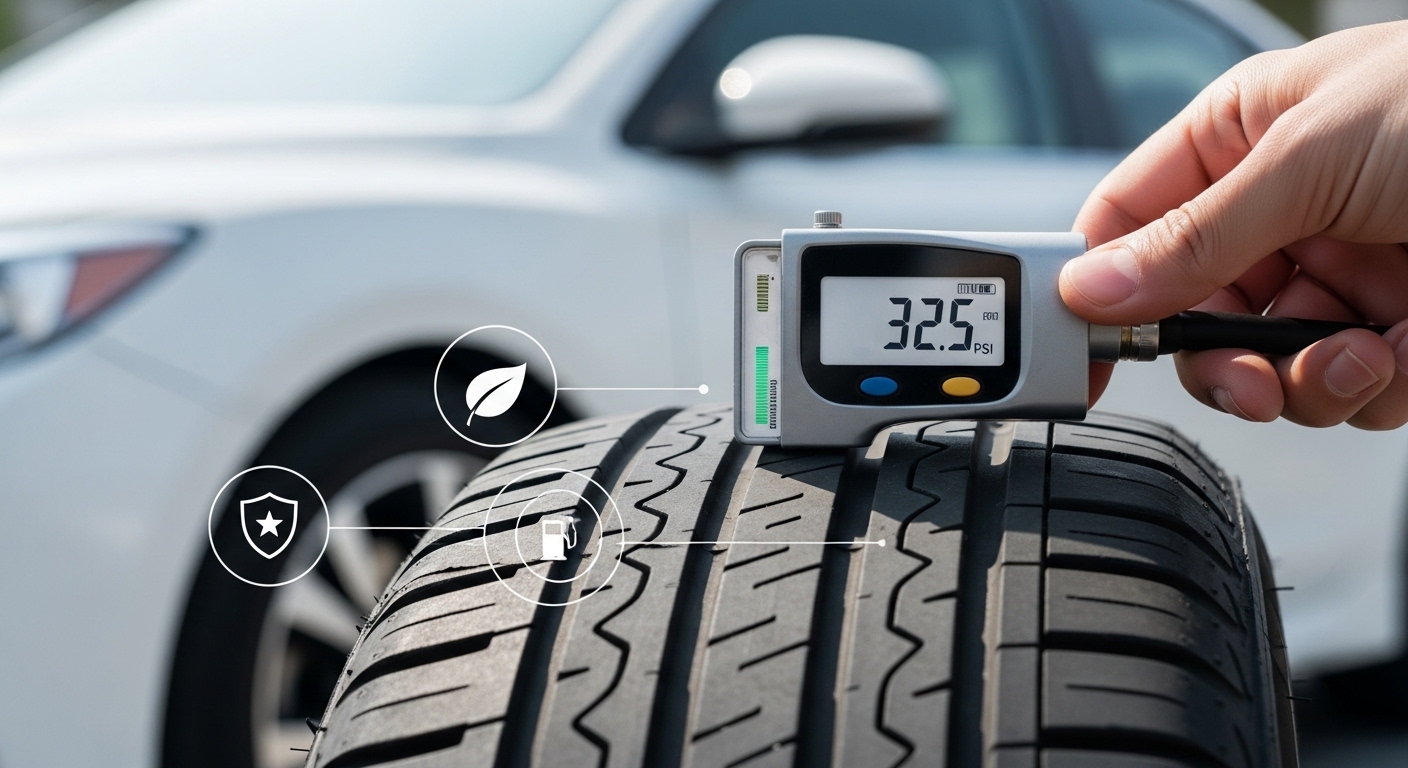
Tire pressure refers to the amount of air inside your tires, measured in PSI (pounds per square inch). Every vehicle has a recommended tire pressure level specified by the manufacturer, usually found:
- Inside the driver’s door frame
- In the owner’s manual
Maintaining this recommended level is essential for proper vehicle performance.
Why Proper Tire Pressure Matters for Safety
1. Improved Vehicle Control
Correct tire pressure ensures proper contact between the tires and the road. This improves:
- Steering responsiveness
- Stability during turns
- Overall handling
Underinflated or overinflated tires can reduce control, especially at higher speeds.
2. Shorter Braking Distance
Tires with proper pressure provide better traction, which allows your vehicle to stop more quickly and safely. Incorrect pressure can increase stopping distance and raise the risk of accidents.
3. Reduced Risk of Tire Blowouts
Underinflated tires generate more heat due to increased friction. This can lead to:
- Tire wear
- Structural damage
- Sudden blowouts
Maintaining proper pressure minimizes these risks.
4. Even Tire Wear
Incorrect pressure causes uneven wear patterns:
- Underinflation wears the outer edges
- Overinflation wears the center
Even wear improves tire lifespan and keeps your vehicle safer.
How Tire Pressure Affects Fuel Efficiency
1. Lower Rolling Resistance
When tires are properly inflated, they roll more easily on the road. Underinflated tires create more resistance, forcing the engine to work harder and consume more fuel.
2. Better Mileage
Maintaining correct tire pressure can improve fuel efficiency by several percent. While it may seem small, it adds up over time, especially for frequent drivers.
3. Reduced Engine Strain
Properly inflated tires reduce the load on your engine, helping maintain optimal performance and reducing long-term wear.
Common Causes of Incorrect Tire Pressure
- Natural air loss over time
- Temperature changes (pressure drops in cold weather)
- Punctures or slow leaks
- Poor maintenance habits
Regular checks help catch these issues early.
How to Check and Maintain Tire Pressure
Step 1: Use a Reliable Tire Pressure Gauge
Check your tire pressure at least once a month.
Step 2: Check When Tires Are Cold
Measurements are most accurate before driving or after the car has been parked for a few hours.
Step 3: Follow Manufacturer Recommendations
Do not rely on the pressure listed on the tire sidewall; use the vehicle’s recommended PSI.
Step 4: Adjust as Needed
Inflate or deflate your tires to match the recommended levels.
Signs Your Tire Pressure Is Incorrect
- Uneven tire wear
- Poor fuel economy
- Vehicle pulling to one side
- Warning light on dashboard
- Reduced handling performance
When to Seek Professional Help
You should consult a professional if:
- Tire pressure drops frequently
- You suspect a leak or puncture
- Tires show uneven or excessive wear
- You are unsure about correct pressure levels
Final Thoughts
Proper tire pressure plays a crucial role in both safety and fuel efficiency. It improves vehicle handling, reduces the risk of accidents, and helps you save money on fuel and tire replacements.
By making tire pressure checks a regular habit, you can ensure a safer, smoother, and more efficient driving experience.