How Seasonal Weather in Geelong VIC Affects Your Vehicle Performance
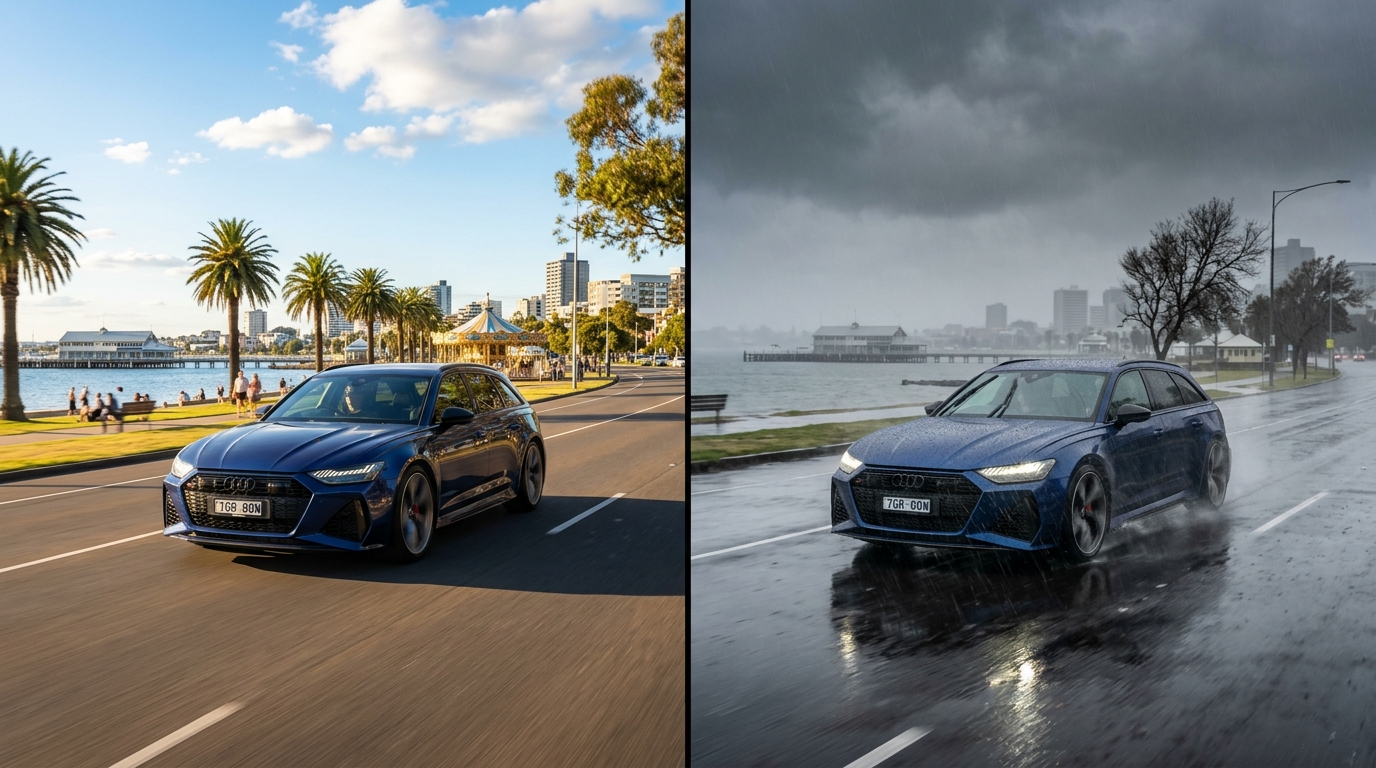
Weather conditions play a major role in how your vehicle performs throughout the year. From hot summer days to cold winter mornings, seasonal changes can affect your engine, battery, tires, brakes, fuel efficiency, and overall driving safety.
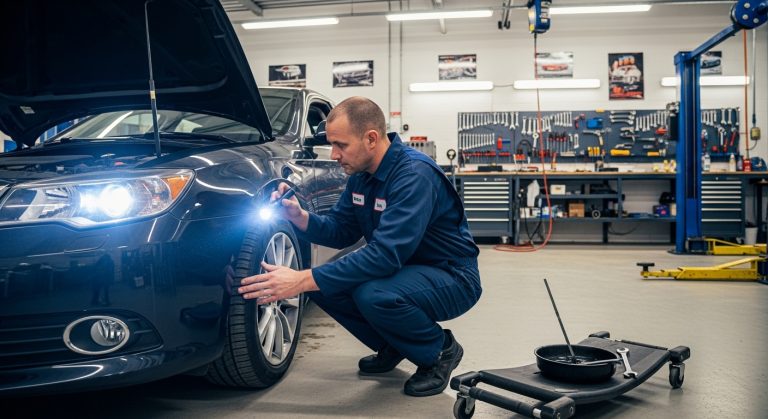
Drivers in Geelong experience varying weather conditions that can place extra stress on vehicles if regular maintenance is ignored. Understanding how seasonal weather impacts your car can help you prevent breakdowns, improve performance, and avoid costly repairs.
In this guide, we’ll explain how different seasons affect your vehicle and what steps you can take to keep your car running reliably all year round.
Why Weather Affects Vehicle Performance
Vehicles are designed to operate within specific temperature ranges and environmental conditions. Extreme heat, cold temperatures, rain, moisture, and road conditions can all influence how different vehicle systems function.
Weather changes commonly affect:
- Engine performance
- Battery life
- Tire pressure
- Cooling systems
- Braking efficiency
- Air conditioning
- Visibility and safety
Seasonal maintenance helps your vehicle adapt to these changing conditions.
Summer Weather and Your Vehicle
Hot summer temperatures can place significant strain on several vehicle components.
Engine Overheating Risks
Summer heat increases the risk of engine overheating, especially during:
- Heavy traffic
- Long-distance driving
- Towing
- Stop-start conditions
Your cooling system works harder in hot weather to regulate engine temperature.
Common summer cooling system issues include:
- Low coolant levels
- Radiator leaks
- Faulty cooling fans
- Worn hoses
Ignoring cooling system maintenance can lead to major engine damage.
Air Conditioning Problems
Your car’s air conditioning system operates more frequently during warmer months.
Common summer AC problems include:
- Weak cooling
- Refrigerant leaks
- Compressor failure
- Blocked cabin filters
Regular AC servicing helps maintain comfort and prevents expensive repairs.
Tire Pressure Changes
Heat causes air inside tires to expand.
Overinflated tires can:
- Reduce traction
- Increase uneven wear
- Affect handling
- Increase blowout risks
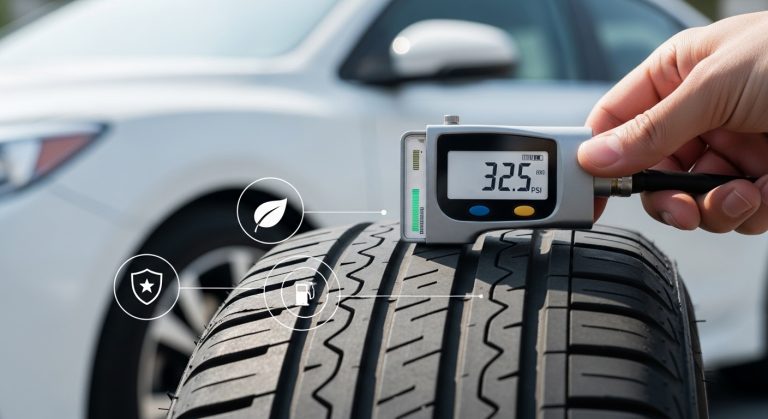
Checking tire pressure regularly during summer is essential for safety and fuel efficiency.
Battery Stress in Hot Weather
Many drivers associate battery failure with winter, but extreme heat can also damage batteries.
High temperatures can:
- Evaporate battery fluid
- Accelerate corrosion
- Reduce battery lifespan
Older batteries are especially vulnerable during hot weather in Geelong.
Winter Weather and Vehicle Performance
Colder weather creates different challenges for your vehicle.
Hard Starting Problems
Cold temperatures reduce battery performance and make engines harder to start.
Winter starting issues are commonly caused by:
- Weak batteries
- Thickened engine oil
- Faulty spark plugs
- Charging system problems
If your vehicle struggles to start on cold mornings, it may require inspection.
Reduced Tire Pressure
Cold air causes tire pressure to drop naturally.
Underinflated tires can lead to:
- Poor fuel economy
- Reduced grip
- Uneven wear
- Unsafe handling
Checking tire pressure during colder months is extremely important.
Visibility Problems
Winter weather often brings:
- Fog
- Rain
- Frost
- Reduced visibility
Drivers should ensure:
- Wiper blades work properly
- Headlights remain clear
- Defrosters function correctly
- Windscreen washer fluid is topped up
Poor visibility significantly increases accident risks.
Increased Brake Wear
Wet roads during winter can place additional stress on braking systems.
Moisture may contribute to:
- Reduced traction
- Longer stopping distances
- Brake noise
- Surface rust on brake components
Routine brake inspections help maintain safe stopping performance.
Rainy Weather and Driving Safety
Rain affects both vehicle performance and road safety.
Reduced Tire Grip
Wet roads reduce traction between tires and the road surface.
Worn tires may increase the risk of:
- Hydroplaning
- Skidding
- Loss of control
Proper tire tread depth is essential for wet-weather driving safety.
Brake Performance Issues
Water can temporarily reduce braking effectiveness.
Common wet-weather brake symptoms include:
- Squeaking noises
- Delayed stopping response
- Reduced braking efficiency
These problems may indicate worn brake components or moisture buildup.
Electrical Problems
Moisture can affect electrical systems and sensors.
Rain-related issues may include:
- Faulty sensors
- Lighting problems
- Starting issues
- Corroded wiring
Regular inspections help identify moisture-related damage early.
Seasonal Changes and Fuel Efficiency
Weather conditions can also impact fuel economy.
Hot Weather Fuel Consumption
Using air conditioning more frequently increases engine load and fuel use.
Additional factors include:
- Increased cooling demands
- Traffic congestion
- Tire pressure fluctuations
Cold Weather Fuel Consumption
Fuel economy often drops during winter because:
- Engines take longer to warm up
- Cold oil increases engine resistance
- Tire pressure decreases
- Defrosters and heaters use extra energy
Short trips in cold weather can reduce efficiency even further.
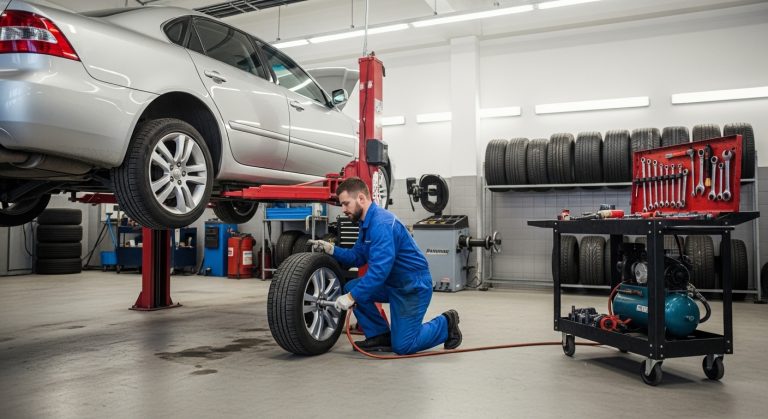
How Seasonal Weather Affects Your Tires
Tires are one of the most weather-sensitive components on your vehicle.
Summer Tire Wear
Hot roads accelerate tire wear and may increase:
- Cracking
- Blowout risks
- Uneven tread wear
Winter Tire Challenges
Cold temperatures reduce tire flexibility and grip.
Low tread depth becomes especially dangerous on:
- Wet roads
- Slippery surfaces
- Cold mornings
Regular tire inspections are essential year-round.
Seasonal Vehicle Maintenance Tips
Before Summer
Check:
- Coolant levels
- Air conditioning system
- Tire pressure
- Battery condition
- Engine belts and hoses
Before Winter
Inspect:
- Battery health
- Tire tread depth
- Heater and defroster
- Wiper blades
- Brake performance
Year-Round Maintenance
Regardless of season:
- Follow service schedules
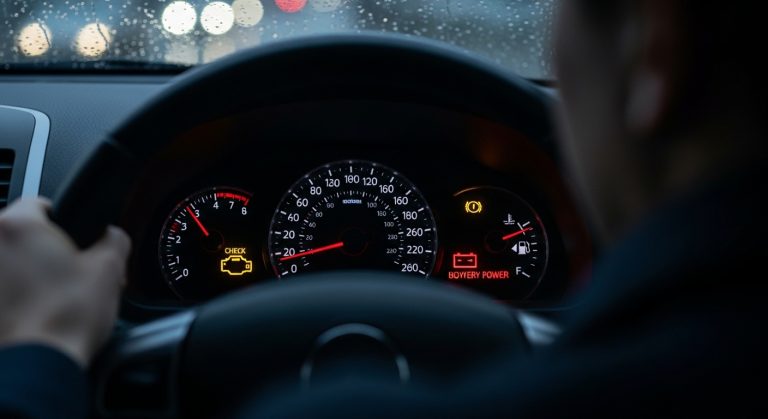
- Monitor warning lights
- Replace worn tires
- Check fluid levels regularly
Preventative maintenance reduces the risk of unexpected breakdowns.
Why Regular Servicing Matters
Routine servicing helps prepare your vehicle for changing seasonal conditions.
Professional inspections can identify:
- Weak batteries
- Cooling system issues
- Tire wear
- Brake problems
- Fluid leaks
Fixing small issues early often prevents expensive repairs later.
Final Thoughts
Seasonal weather changes in Geelong can significantly affect your vehicle’s safety, reliability, and performance. Hot temperatures, cold mornings, rain, and changing road conditions all place extra stress on key vehicle systems.
Understanding how weather impacts your car allows you to take preventative action before small problems become major repairs.
Regular servicing, seasonal inspections, and proper maintenance help keep your vehicle running smoothly, safely, and efficiently throughout the year.
At Malik Automotive, professional vehicle inspections and preventative maintenance services help drivers prepare their vehicles for every season and stay safe on the road year-round.