DIY Car Maintenance Checks Every Driver Should Know Before Visiting a Mechanic
Regular vehicle maintenance is essential for keeping your car safe, reliable, and efficient. While professional servicing is important, there are several simple maintenance checks every driver can perform at home before visiting a mechanic.
These basic inspections can help you:
- Identify small problems early
- Improve vehicle safety
- Prevent breakdowns
- Save money on repairs
- Extend the lifespan of your car
Whether you drive daily around Geelong or only occasionally, learning a few DIY car maintenance checks can help you better understand your vehicle’s condition and know when professional repairs may be needed.
Why DIY Maintenance Checks Matter
Many major mechanical problems begin as small issues that go unnoticed.
Simple inspections can help detect:
- Fluid leaks
- Low tire pressure
- Battery problems
- Worn brakes
- Cooling system issues
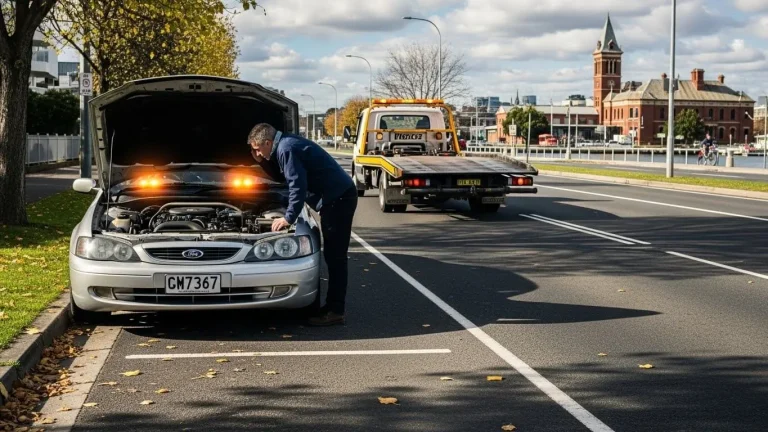
Checking your vehicle regularly also helps improve safety and reduce the risk of unexpected roadside breakdowns.
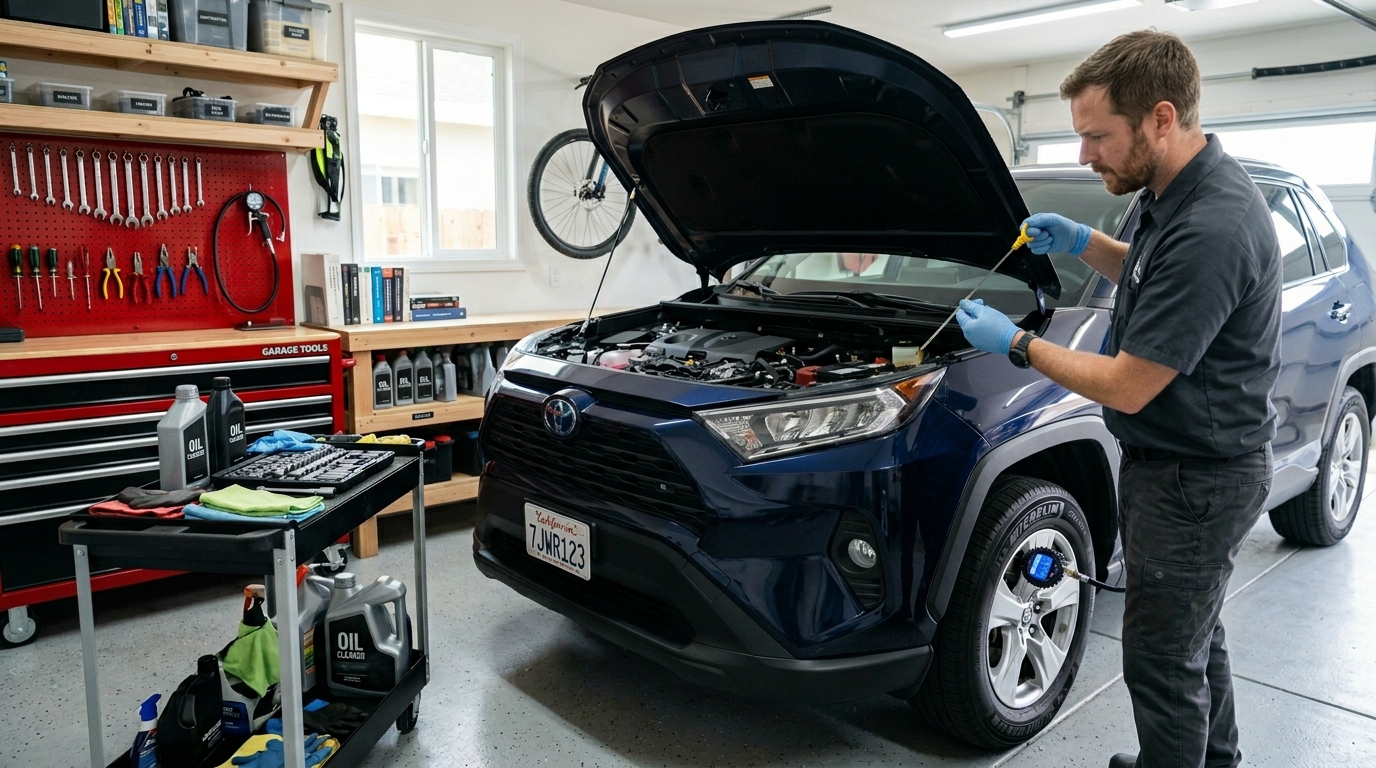
1. Check Your Engine Oil
Engine oil lubricates internal engine components and helps reduce heat and friction.
Low or dirty oil can lead to:
- Poor engine performance
- Increased wear
- Overheating
- Serious engine damage
How to Check Engine Oil
- Park on a level surface
- Turn off the engine
- Wait a few minutes for the oil to settle
- Remove the dipstick
- Wipe it clean
- Reinsert fully and remove again
- Check the oil level and condition
Healthy oil should appear relatively clean and sit between the minimum and maximum marks.
If oil appears very dark, thick, or low, servicing may be required.
2. Inspect Coolant Levels
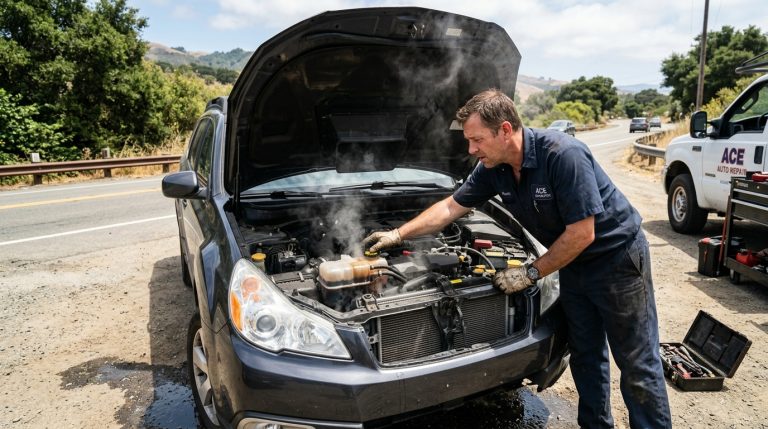
Coolant helps regulate engine temperature and prevents overheating.
Low coolant levels may indicate:
- Leaks
- Cooling system problems
- Poor maintenance
How to Check Coolant
- Locate the coolant reservoir
- Ensure the engine is cool
- Check fluid level markings
Never open the radiator cap while the engine is hot.
If coolant levels repeatedly drop, have the system inspected professionally.
3. Check Tire Pressure
Incorrect tire pressure affects:
- Fuel economy
- Tire lifespan
- Braking performance
- Driving safety
How to Check Tire Pressure
Use a tire pressure gauge and compare readings with the manufacturer’s recommended PSI found:
- Inside the driver’s door
- In the owner’s manual
Drivers in Geelong should check tire pressure regularly as temperature changes can affect inflation levels.
4. Inspect Tire Condition
Worn or damaged tires reduce traction and increase accident risks.
Look for:
- Uneven tread wear
- Cracks
- Bulges
- Low tread depth
- Embedded objects
You can use the tread wear indicators or a coin test to assess tread depth.
Replace tires showing excessive wear or visible damage.
5. Test Your Battery
Battery issues are one of the most common causes of vehicle breakdowns.
Common Battery Warning Signs
- Slow engine cranking
- Dim headlights
- Electrical problems
- Corroded battery terminals
DIY Battery Inspection
Check for:
- Loose terminals
- White or blue corrosion
- Cracked battery casing
Cleaning minor corrosion may improve battery performance, but aging batteries may require replacement.
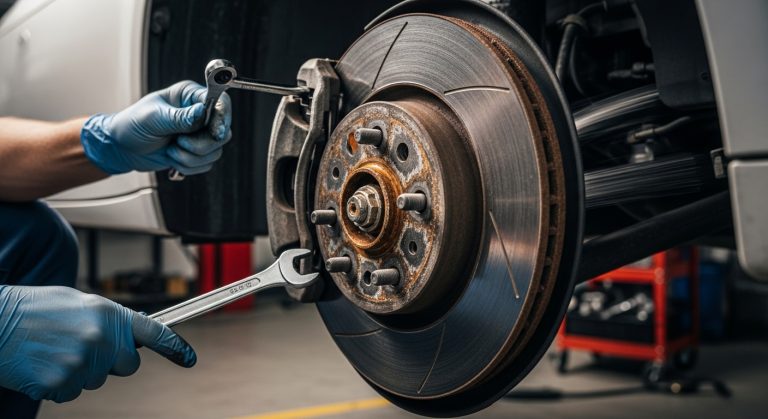
6. Inspect Brake Performance
Brakes are one of the most critical safety systems in your vehicle.
Warning Signs to Watch For
- Squeaking or grinding noises
- Soft brake pedal
- Vibrations while braking
- Increased stopping distance
If you notice any of these symptoms, professional brake inspection is strongly recommended.
7. Check Windshield Wipers
Wiper blades are essential for visibility during rain and bad weather.
Signs Wipers Need Replacing
- Streaking
- Smearing
- Skipping
- Cracked rubber
Replacing worn wiper blades is a simple and inexpensive maintenance task.
8. Inspect Exterior Lights
Faulty lights reduce visibility and may create safety hazards.
Check:
- Headlights
- Brake lights
- Indicators
- Reverse lights
- Fog lights
Ask someone to help or park near a reflective surface to inspect rear lighting.
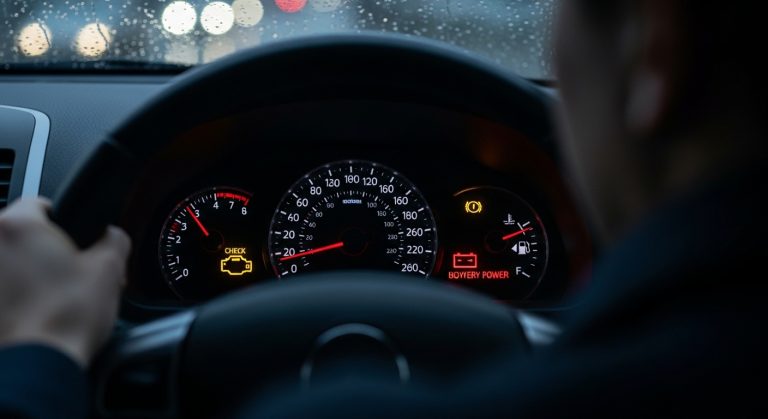
9. Monitor Dashboard Warning Lights
Modern vehicles use warning lights to alert drivers about system problems.
Common warning lights include:
- Check engine light
- Battery warning
- Oil pressure light
- ABS warning
- Temperature warning
Never ignore dashboard warning lights, especially if they remain illuminated.
10. Listen for Unusual Noises
Strange noises often indicate developing mechanical problems.
Common Sounds to Watch For
- Grinding
- Knocking
- Squealing
- Clicking
- Humming
Pay attention to when the noise occurs:
- During braking
- While accelerating
- When turning
- At idle
Early diagnosis can prevent more expensive repairs.
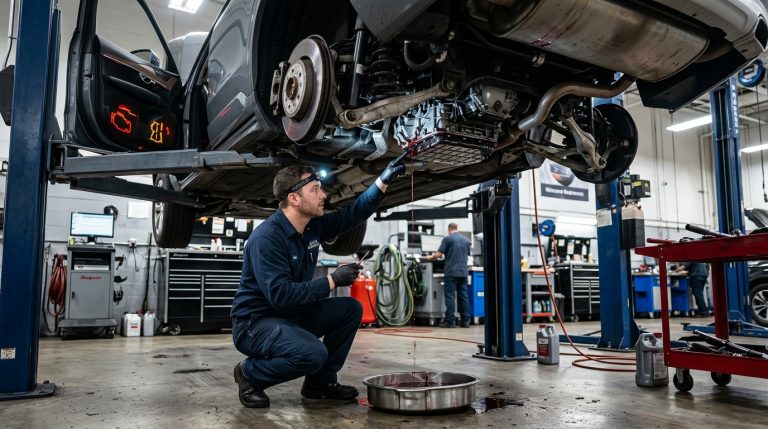
11. Check for Fluid Leaks
Fluid leaks often appear under parked vehicles.
Common Vehicle Fluids
- Engine oil
- Coolant
- Transmission fluid
- Brake fluid
- Power steering fluid
Different fluid colors may help identify the source of the leak.
Leaks should never be ignored, even if they appear minor.
12. Inspect Belts and Hoses
Belts and hoses naturally wear over time.
Look for:
- Cracks
- Fraying
- Swelling
- Leaks
- Loose connections
Damaged belts or hoses can lead to overheating, charging problems, or engine failure.
13. Test Your Air Conditioning
A properly functioning air conditioning system improves comfort and visibility.
Common AC Problems
- Weak airflow
- Warm air
- Strange smells
- Unusual noises
If cooling performance drops significantly, the system may require professional servicing.
When DIY Checks Aren’t Enough
While DIY inspections are helpful, some problems require professional diagnostics and repairs.
You should visit a mechanic if you notice:
- Persistent warning lights
- Fluid leaks
- Brake problems
- Engine overheating
- Transmission issues
- Strange noises
- Steering problems
Professional inspections help identify hidden issues before they become major failures.
Benefits of Preventative Maintenance
Regular maintenance checks help:
- Improve safety
- Reduce repair costs
- Increase fuel efficiency
- Extend vehicle lifespan
- Prevent unexpected breakdowns
Small preventative actions often save thousands in future repairs.
Final Thoughts
Performing simple DIY vehicle checks is one of the best ways to keep your car safe, reliable, and running efficiently. Monitoring fluids, tires, brakes, batteries, and warning signs regularly can help you detect problems early and avoid costly repairs.
Drivers in Geelong who combine routine DIY inspections with professional servicing often experience fewer breakdowns and better long-term vehicle performance.
At Malik Automotive, professional inspections and maintenance services help drivers identify problems early and keep their vehicles operating safely throughout the year.