Why Wheel Alignment Matters for Smooth and Safe Driving
Wheel alignment is one of the most overlooked aspects of vehicle maintenance, yet it plays a major role in your car’s safety, handling, comfort, and fuel efficiency. Many drivers only think about wheel alignment after buying new tires or noticing uneven tire wear, but proper alignment affects your vehicle every time you drive.
Whether you regularly commute around Geelong or take long highway trips, maintaining correct wheel alignment helps ensure smoother handling, safer driving, and lower long-term repair costs.
In this guide, we’ll explain what wheel alignment is, why it matters, the warning signs of poor alignment, and when you should get your vehicle checked.
What Is Wheel Alignment?
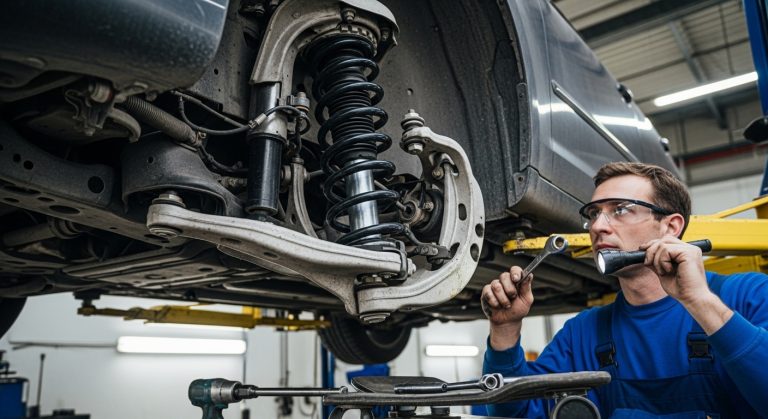
Wheel alignment refers to adjusting your vehicle’s suspension angles so the tires meet the road correctly. Contrary to popular belief, alignment is not about adjusting the tires themselves — it involves the suspension system that connects the wheels to the vehicle.
Proper alignment ensures:
- Tires point in the correct direction
- Vehicle drives straight
- Steering remains stable
- Tire wear stays even
Three main alignment angles are adjusted during a wheel alignment service:
Camber
Camber refers to the inward or outward tilt of the wheels when viewed from the front.
- Negative camber = top of tire tilts inward
- Positive camber = top of tire tilts outward
Incorrect camber causes uneven tire wear and handling problems.
Toe
Toe describes the direction the tires point relative to each other.
- Toe-in = tires point slightly inward
- Toe-out = tires point slightly outward
Improper toe alignment often causes rapid tire wear and steering instability.
Caster
Caster affects steering balance and stability.
Incorrect caster alignment may cause:
- Steering pulling
- Poor cornering
- Unstable handling
Why Wheel Alignment Is So Important
1. Improves Driving Safety
Wheel alignment directly affects your vehicle’s control and stability.
Poor alignment can cause:
- Vehicle drifting
- Unstable steering
- Reduced traction
- Difficulty controlling the car
In emergency situations, proper alignment helps your vehicle respond more predictably and safely.
2. Extends Tire Life
Misaligned wheels cause uneven tire wear, forcing tires to wear out much faster than normal.
Common wear patterns include:
- Inner edge wear
- Outer edge wear
- Feathering
- Bald spots
Since tires can be expensive, proper alignment helps maximize their lifespan and saves money over time.
3. Provides Smoother Steering
One of the first things drivers notice after a wheel alignment is smoother steering.
Benefits include:
- Better steering response
- Improved straight-line driving
- Reduced steering vibration
- Easier handling
Driving becomes far more comfortable, especially on long trips around Geelong.
4. Improves Fuel Efficiency
Poor alignment creates rolling resistance, forcing the engine to work harder.
This can increase fuel consumption because:
- Tires drag against the road
- Extra friction develops
- Vehicle movement becomes less efficient
Even small alignment issues can reduce fuel economy over time.
5. Reduces Suspension Stress
Misalignment places unnecessary strain on suspension and steering components.
This can lead to:
- Premature suspension wear
- Damaged steering parts
- Higher repair costs
- Reduced ride comfort
Routine alignment checks help protect your suspension system from excessive wear.
Common Signs Your Vehicle Needs Wheel Alignment
Vehicle Pulling to One Side
If your car drifts left or right while driving straight, alignment problems may be the cause.
This symptom often becomes noticeable:
- On highways
- During braking
- At higher speeds
Uneven Tire Wear
Inspect your tires regularly for uneven wear patterns.
Misalignment commonly causes:
- One-sided tire wear
- Rapid tire deterioration
- Feathered tread edges
Early detection can save your tires from permanent damage.
Crooked Steering Wheel
If your steering wheel appears off-center even while driving straight, your alignment may need adjustment.
This often develops gradually and becomes worse over time.
Steering Wheel Vibrations
Vibrations can indicate alignment or balancing issues.
Common causes include:
- Uneven tire wear
- Suspension problems
- Poor alignment angles
Loose or Unstable Steering
A properly aligned vehicle should feel stable and responsive.
If steering feels:
- Loose
- Wandering
- Unstable
- Delayed
an alignment inspection may be necessary.
What Causes Wheel Alignment Problems?
Potholes and Rough Roads
Driving over potholes or damaged roads is one of the most common causes of wheel misalignment.
Road conditions around busy urban areas can gradually affect suspension geometry over time.
Hitting Curbs
Even minor curb impacts can shift wheel alignment angles.
This often happens:
- While parking
- During tight turns
- In low-visibility conditions
Worn Suspension Components
Suspension wear affects alignment accuracy.
Parts that commonly contribute include:
- Ball joints
- Tie rods
- Bushings
- Control arms
Accidents or Minor Collisions
Even small accidents can alter suspension positioning and wheel angles.
After any collision, alignment inspection is highly recommended.
How Often Should Wheel Alignment Be Checked?
Most mechanics recommend wheel alignment:
- Every 10,000–15,000 km
- During tire replacement
- After suspension repairs
- If warning signs appear
Drivers in Geelong who frequently drive on rough roads or long distances may benefit from more frequent inspections.
Wheel Alignment vs Wheel Balancing
Many drivers confuse wheel alignment with wheel balancing, but they are different services.
Wheel Alignment
Adjusts suspension angles and wheel positioning.
Wheel Balancing
Corrects uneven weight distribution in tires and wheels.
Both services improve driving comfort and tire performance, but they solve different problems.
Can Poor Alignment Damage Your Vehicle?
Yes. Ignoring alignment problems can lead to:
- Rapid tire wear
- Suspension damage
- Poor braking performance
- Reduced fuel economy
- Unsafe handling
Minor alignment issues can eventually become expensive repair problems if left untreated.
Benefits of Professional Wheel Alignment
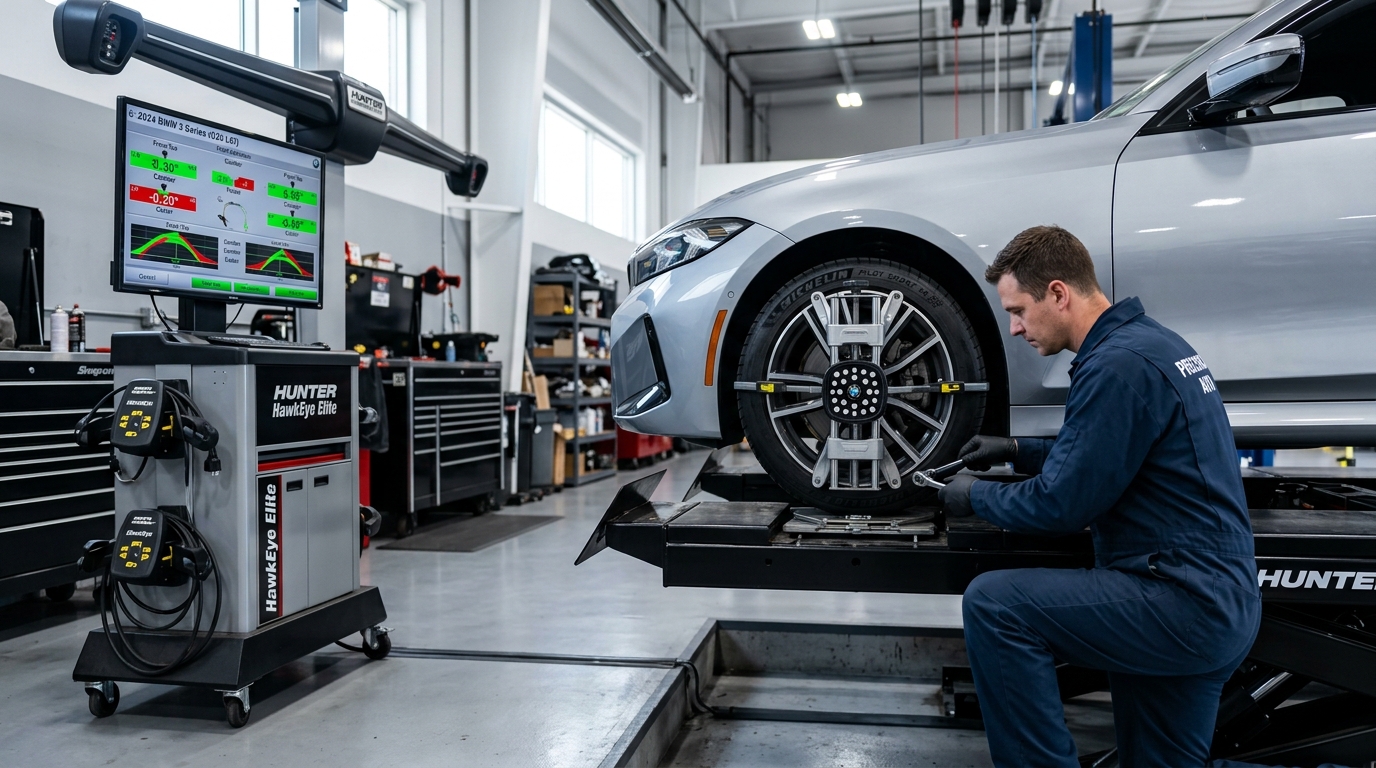
Professional alignment services use computerized equipment to measure and adjust suspension angles accurately.
Benefits include:
- Improved safety
- Longer tire life
- Better fuel efficiency
- Smoother handling
- Reduced repair costs
A professional inspection also helps identify hidden suspension or steering problems early.
Final Thoughts
Wheel alignment is essential for maintaining a safe, smooth, and efficient driving experience. Even small alignment problems can affect tire wear, fuel economy, steering stability, and overall vehicle safety.
If you notice uneven tire wear, pulling, steering vibrations, or unstable handling while driving around Geelong, it’s important to have your vehicle inspected as soon as possible.
Routine wheel alignment checks help extend tire life, improve driving comfort, and reduce long-term repair costs.
At Malik Automotive, professional wheel alignment and suspension inspections help drivers keep their vehicles performing safely and efficiently on the road.