Why Your Car Is Losing Power While Driving
Experiencing a loss of power while driving can be both frustrating and dangerous. When your car struggles to accelerate, feels sluggish, or suddenly loses speed, it usually indicates an underlying mechanical or electrical problem. Ignoring these symptoms can lead to more serious damage and costly repairs.
Understanding the common causes of power loss can help you identify the problem early and ensure your vehicle remains safe and reliable on the road.
What Does “Loss of Power” Mean?
Loss of power occurs when your vehicle cannot produce the expected engine performance. This can happen during acceleration, while climbing hills, or even while driving at a steady speed.
Common signs include:
- Slow acceleration
- Engine struggling to maintain speed
- Difficulty climbing hills
- Engine stalling or misfiring
- Reduced fuel efficiency
Several components in your vehicle work together to produce power, including the fuel system, air intake system, ignition system, and exhaust system. If any of these components fail, your engine may struggle to perform properly.
1. Clogged Fuel Filter
Your engine needs a steady supply of clean fuel to operate efficiently. The fuel filter removes dirt and debris from the fuel before it reaches the engine.
Over time, the filter can become clogged, restricting the amount of fuel that flows into the engine.
Symptoms of a clogged fuel filter
- Poor acceleration
- Engine hesitation
- Difficulty starting the car
- Reduced engine performance
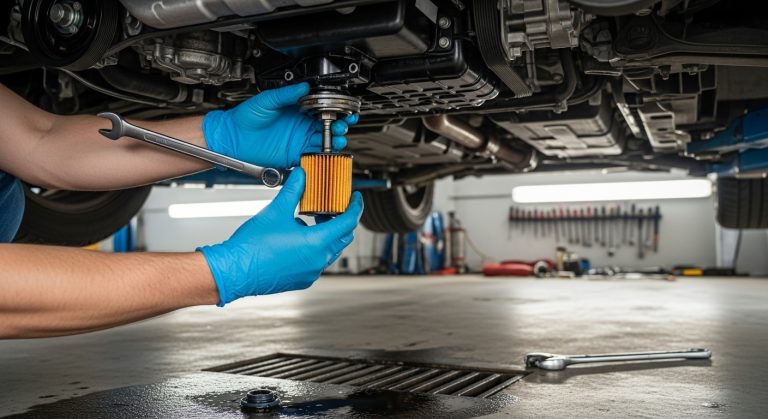
Replacing the fuel filter during routine maintenance can help prevent this issue.
2. Dirty or Blocked Air Filter
Engines require a proper mixture of air and fuel for combustion. The air filter ensures that clean air enters the engine while preventing dust and debris from causing damage.
If the air filter becomes dirty or blocked, the engine may not receive enough air, leading to reduced power and efficiency.
Signs of a dirty air filter
- Sluggish acceleration
- Poor fuel economy
- Rough engine performance
Fortunately, replacing an air filter is usually inexpensive and can significantly improve engine performance.
3. Failing Fuel Pump
The fuel pump delivers fuel from the tank to the engine at the correct pressure. If the pump becomes weak or begins to fail, the engine may not receive enough fuel, especially when accelerating or driving uphill.
Warning signs of a failing fuel pump
- Engine sputtering at high speeds
- Sudden loss of power
- Difficulty starting the vehicle
- Engine stalling while driving
Fuel pump problems should be addressed quickly, as a complete failure can leave your vehicle unable to start.
4. Faulty Spark Plugs or Ignition System
Spark plugs are responsible for igniting the air-fuel mixture inside the engine cylinders. If spark plugs become worn or damaged, the engine may misfire or fail to generate sufficient power.
Symptoms of ignition problems
- Engine misfires
- Rough idling
- Poor acceleration
- Increased fuel consumption
Replacing worn spark plugs and maintaining the ignition system can restore engine performance.
5. Exhaust System Blockage
Your vehicle’s exhaust system removes gases produced during combustion. If the exhaust system becomes blocked, such as with a clogged catalytic converter, the engine may struggle to expel exhaust gases.
This restriction can significantly reduce engine power.
Signs of exhaust system issues
- Reduced acceleration
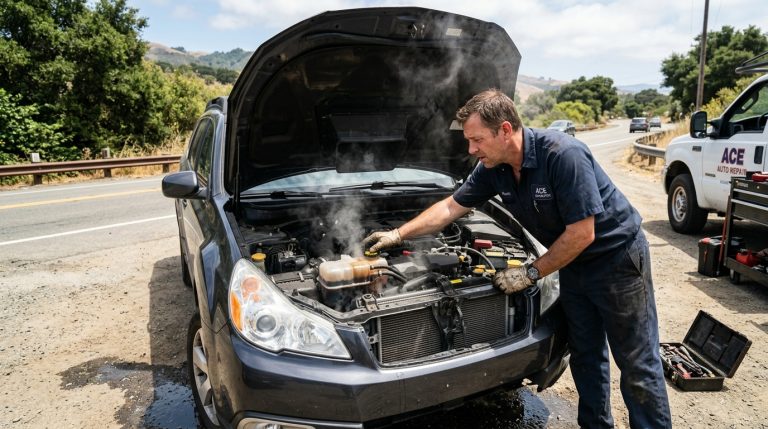
- Overheating engine
- Strong exhaust smell
- Decreased fuel efficiency
Exhaust system problems should be diagnosed promptly to avoid further engine damage.
6. Transmission Problems
In some cases, the engine may be functioning correctly, but transmission issues prevent power from reaching the wheels effectively.
Common transmission problems include:
- Low transmission fluid
- Worn transmission components
- Slipping gears
If your engine revs higher than usual but the car does not accelerate properly, the transmission may be the cause.
7. Sensor or Electronic Issues
Modern vehicles rely heavily on sensors and electronic control systems to manage engine performance. A malfunctioning sensor can cause the engine control unit (ECU) to receive incorrect data, leading to poor performance.
Examples include:
- Mass airflow sensor failure
- Oxygen sensor malfunction
- Throttle position sensor problems
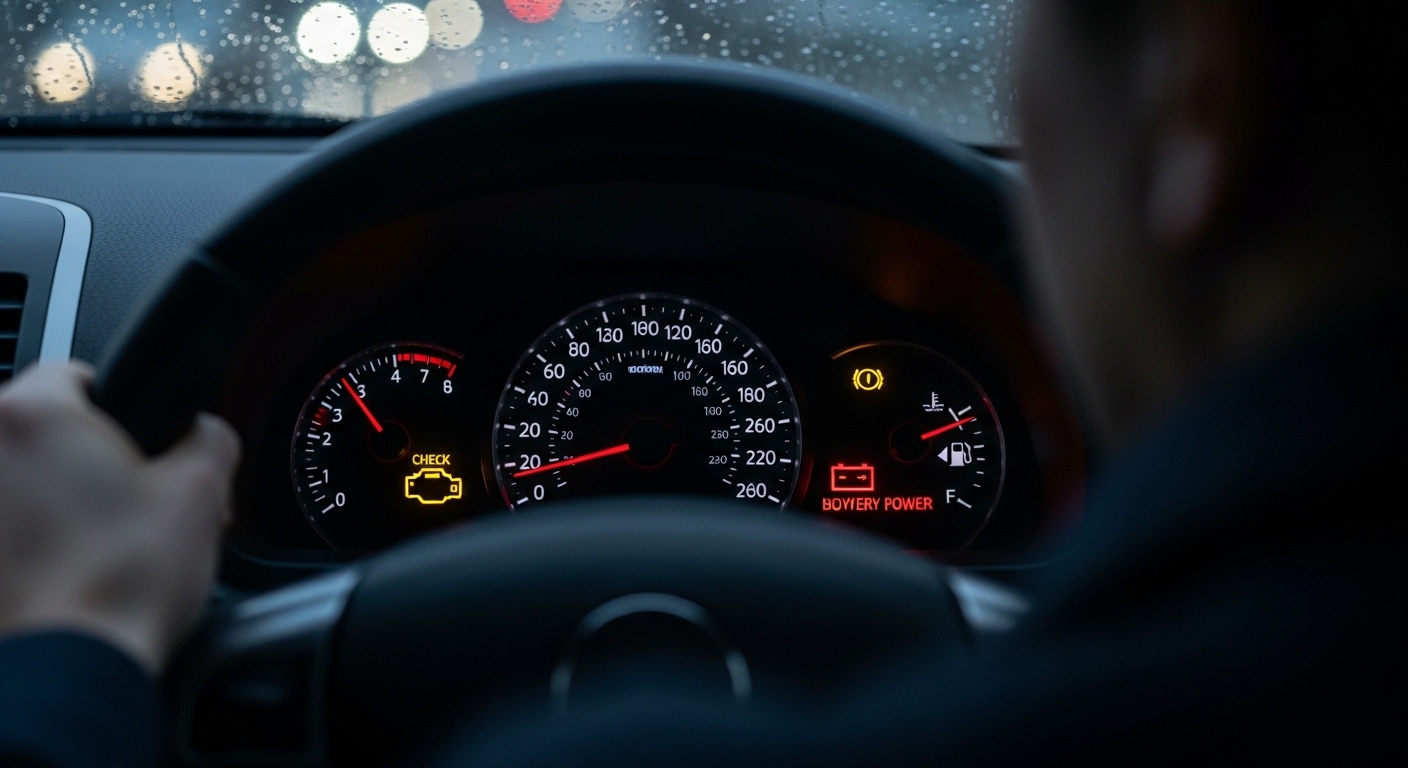
These issues often trigger the check engine light, indicating that diagnostic testing is required.
How to Prevent Engine Power Loss
While some mechanical failures are unavoidable, regular vehicle maintenance can significantly reduce the risk of power loss.
Helpful maintenance tips include:
- Replace air and fuel filters regularly
- Keep the ignition system in good condition
- Use high-quality fuel
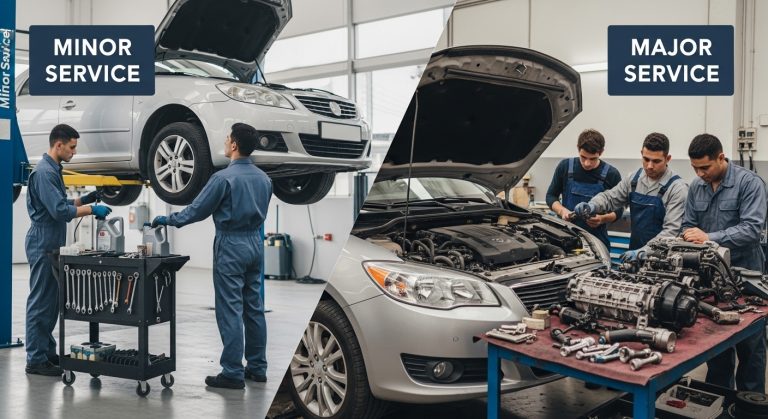
- Schedule routine vehicle servicing
- Address warning lights immediately
Preventative maintenance helps ensure your engine operates efficiently and reliably.
When Should You See a Mechanic?
If your car frequently loses power while driving, it is important to have it inspected as soon as possible.
You should seek professional help if:
- The vehicle struggles to accelerate
- The engine stalls or misfires
- The check engine light appears
- Power loss occurs suddenly while driving
A qualified mechanic can diagnose the exact cause and recommend the appropriate repair.
Final Thoughts
Loss of engine power can result from several issues, including fuel system problems, clogged filters, ignition faults, transmission issues, or electronic sensor failures. While some problems may start small, ignoring them can lead to serious damage and expensive repairs.
By paying attention to early warning signs and maintaining your vehicle regularly, you can keep your car performing at its best and avoid unexpected breakdowns.
If your vehicle shows persistent signs of power loss, scheduling a professional inspection is the best way to ensure your car remains safe and reliable on the road.