How Regular Vehicle Maintenance Keeps You Safe on the Road
Vehicle safety isn’t only about careful driving—it also depends on how well your car is maintained. Regular maintenance ensures that critical systems like brakes, tyres, steering, and engine components function properly, reducing the risk of breakdowns and accidents.
For drivers in North Geelong, consistent servicing is one of the most effective ways to protect yourself, your passengers, and other road users.
Why Maintenance Is Directly Linked to Road Safety
Every vehicle part experiences wear and tear over time. Without routine checks, small issues can quickly turn into dangerous mechanical failures.
Regular maintenance helps:
- Maintain reliable braking performance
- Ensure proper steering and handling
- Prevent sudden engine or battery failure
- Improve visibility through working lights and wipers
- Reduce the risk of roadside breakdowns
Simply put, a well-maintained car is a safer car.
Critical Safety Systems Checked During Servicing
1. Brakes and Stopping Power
Your braking system is the most important safety feature in any vehicle. During maintenance, mechanics inspect:
- Brake pads and discs for wear
- Brake fluid condition and level
- Overall braking response
Ignoring worn brakes can significantly increase stopping distance, especially in emergency situations.
2. Tyres, Grip, and Stability
Tyres are your car’s only contact with the road, making them essential for safe driving.
Routine checks include:
- Tread depth and uneven wear
- Correct tyre pressure
- Sidewall damage or punctures
Healthy tyres improve traction, cornering stability, and braking performance, particularly on wet Victorian roads.
3. Steering and Suspension Control
Steering and suspension keep your vehicle stable and predictable.
Maintenance inspections look for:
- Worn suspension components
- Loose steering parts
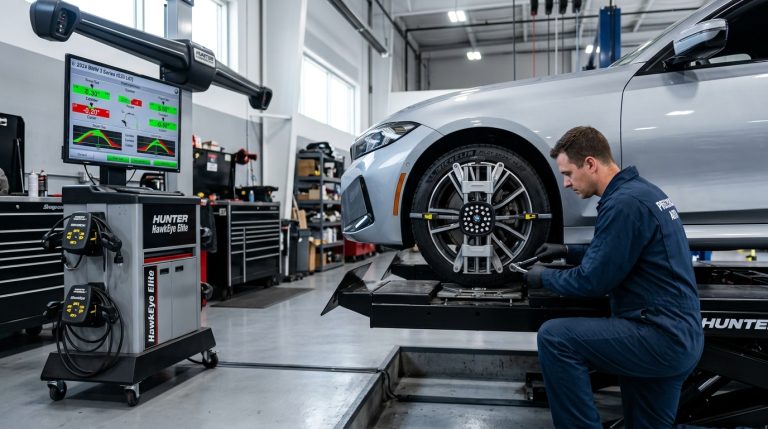
- Alignment or balance issues
Faults in these systems can lead to loss of control, uneven tyre wear, and uncomfortable driving.
4. Engine Reliability and Diagnostics
A poorly maintained engine can stall unexpectedly or lose power while driving.
Servicing typically includes:
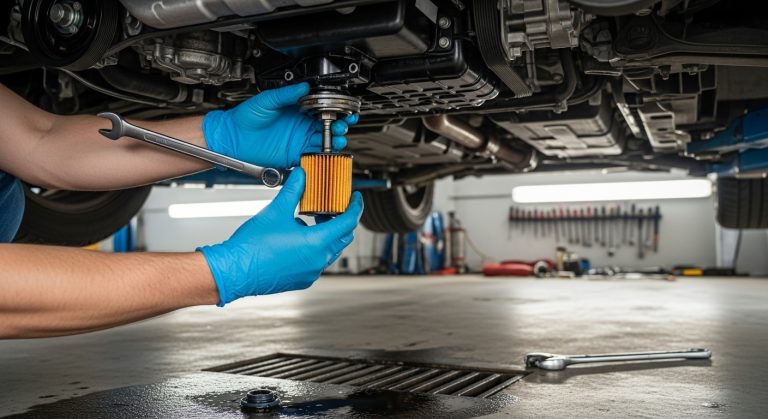
- Oil and filter replacement
- Cooling system checks
- Diagnostic scans for hidden faults
Early detection prevents dangerous roadside breakdowns and costly repairs.
5. Battery, Lights, and Visibility
Electrical systems play a major role in driver awareness and communication.
Routine servicing checks:
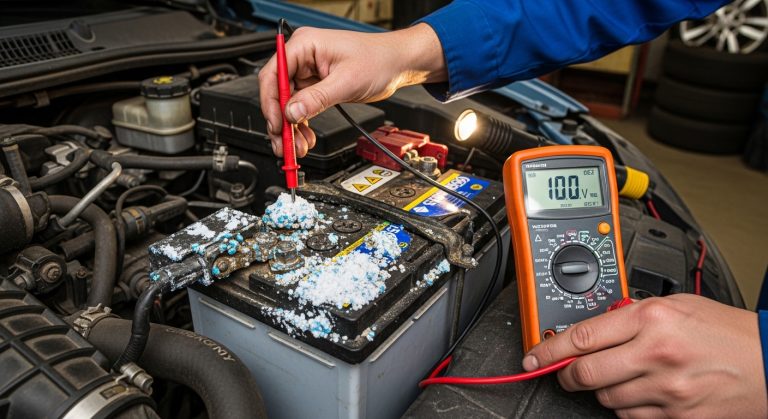
- Battery health and charging system
- Headlights, brake lights, and indicators
- Wipers and washer function
Clear visibility and working lights are essential for night driving and bad weather conditions.
Warning Signs Your Car May Be Unsafe
Never ignore these symptoms:
- Grinding or squealing brakes
- Vibrations in the steering wheel
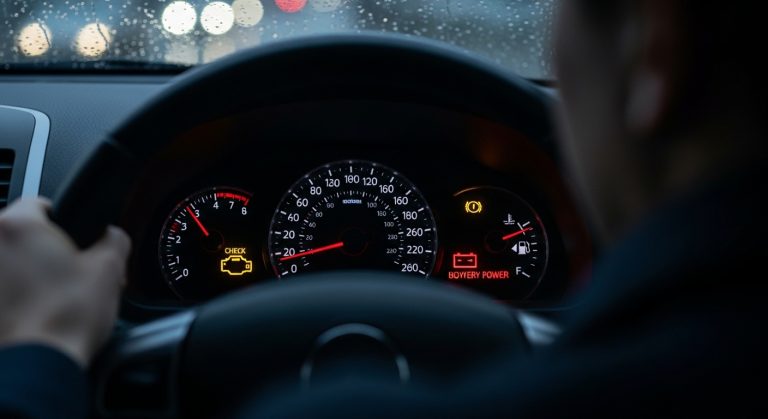
- Warning lights on the dashboard
- Poor fuel efficiency or power loss
- Difficulty starting the engine
- Burning smells or smoke
These signs often indicate safety-related mechanical problems that require immediate inspection.
How Preventative Maintenance Reduces Accident Risk
Preventative servicing allows mechanics to:
- Replace worn parts before failure
- Detect hidden faults using diagnostics
- Maintain correct fluid levels and lubrication
- Ensure tyres and brakes perform properly
This proactive approach reduces the chance of sudden mechanical failure on busy roads.
The Importance of Choosing a Trusted Local Mechanic
Quality maintenance depends on experienced professionals, proper tools, and honest advice. A reputable local workshop like Malik Automotive focuses on:
- Thorough safety inspections
- Modern diagnostic technology
- Genuine or high-quality replacement parts
- Transparent pricing and clear communication
Working with a trusted mechanic ensures your vehicle remains safe, reliable, and road-ready year-round.
How Often Should You Service for Safety?
General safety guidelines:
- Every 10,000 km or 6 months for routine servicing
- More frequently for heavy driving, short trips, or stop-start traffic
- Follow your manufacturer’s logbook schedule
Consistent servicing keeps safety-critical systems in peak condition.
Simple Safety Checks You Can Do at Home
Between professional services, drivers should:
- Check tyre pressure monthly
- Look for fluid leaks under the car
- Test lights and indicators regularly
- Listen for unusual noises while driving
- Monitor dashboard warning lights
These quick checks help spot problems early.
Final Thoughts
Regular vehicle maintenance is one of the most powerful ways to stay safe on the road. By keeping brakes, tyres, engine components, and electrical systems in good condition, you dramatically reduce the risk of breakdowns and accidents.For North Geelong drivers, consistent servicing isn’t just routine—it’s a commitment to safety, reliability, and peace of mind every time you drive.