How Regular Tire Rotation Extends the Life of Your Tires
Tires are one of the most important components of your vehicle, directly affecting safety, performance, and fuel efficiency. However, many drivers overlook a simple maintenance practice that can significantly extend tire life—regular tire rotation.
In this guide, we’ll explain what tire rotation is, why it matters, and how it helps you get the most out of your tires.
What Is Tire Rotation?
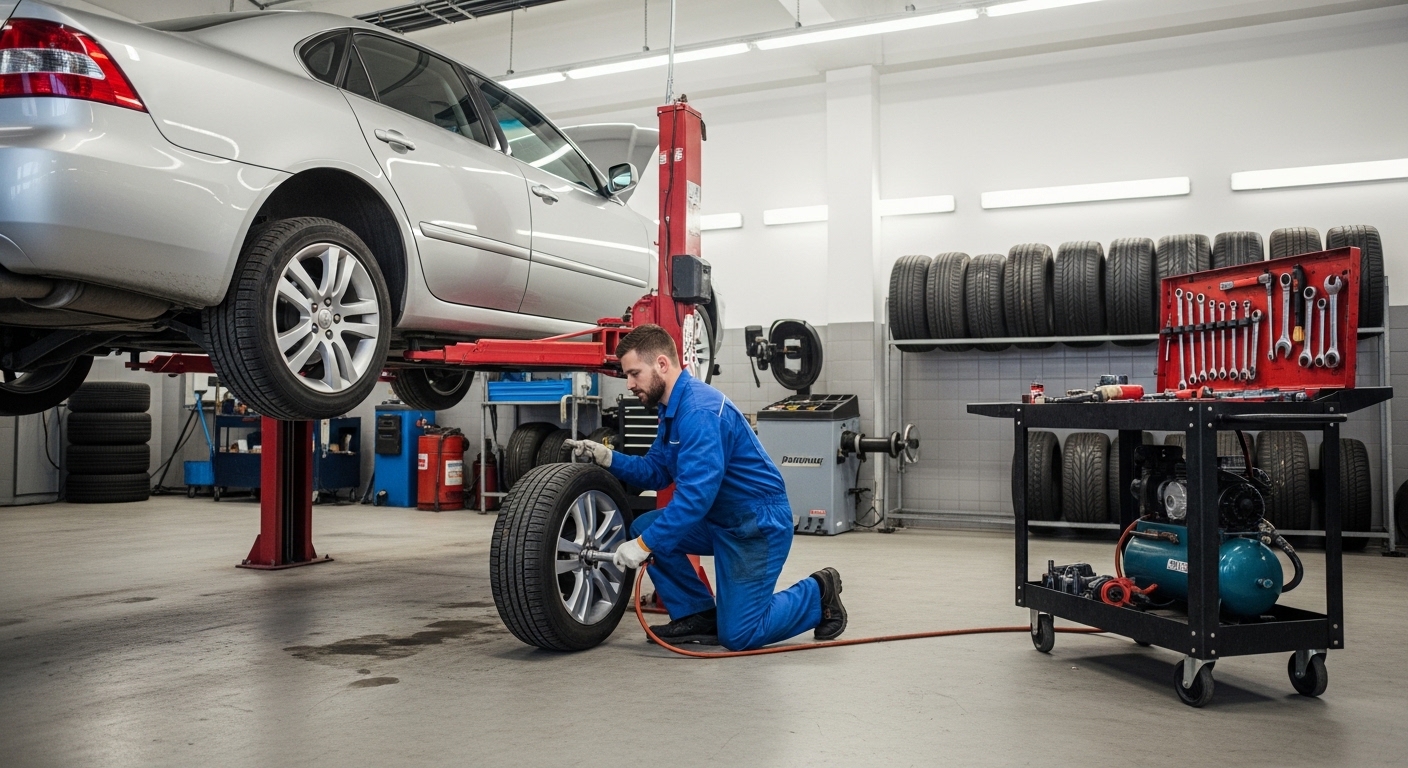
Tire rotation is the process of moving your tires from one position on the vehicle to another. This is done to ensure that all tires wear evenly over time.
Common rotation patterns include:
- Front-to-back rotation
- Cross (diagonal) rotation
- Side-to-side rotation (for directional tires)
The correct pattern depends on your vehicle type and tire design.
Why Tires Wear Unevenly
Tires do not wear at the same rate because different positions on the vehicle experience different levels of stress.
Key factors include:
- Front vs rear load: Front tires often wear faster due to steering and engine weight
- Driving habits: Braking and turning increase wear on certain tires
- Road conditions: Rough or uneven roads accelerate wear
- Wheel alignment issues: Misalignment can cause rapid uneven wear
Without rotation, some tires may wear out much faster than others.
Benefits of Regular Tire Rotation
1. Even Tire Wear
Rotating your tires distributes wear evenly across all four tires. This prevents premature wear on specific tires and ensures balanced performance.
2. Extended Tire Lifespan
Even wear allows you to use your tires for their full lifespan, delaying the need for replacement and saving money over time.
3. Improved Vehicle Performance
Balanced tires enhance:
- Handling and stability
- Steering response
- Overall driving comfort
4. Better Fuel Efficiency
Unevenly worn tires create more rolling resistance, which can reduce fuel efficiency. Properly rotated tires help maintain optimal performance and mileage.
5. Enhanced Safety
Worn or uneven tires can reduce traction, especially in wet or slippery conditions. Regular rotation helps maintain consistent grip on the road.
How Often Should You Rotate Your Tires?
Most manufacturers recommend rotating tires every:
- 8,000 to 10,000 kilometers, or
- During every oil change
However, you should always refer to your vehicle’s owner manual for specific guidelines.
Signs Your Tires Need Rotation
- Uneven tread wear
- Vehicle vibration while driving
- Reduced handling performance
- Increased road noise
If you notice any of these signs, it’s a good idea to have your tires checked.
Tire Rotation vs Wheel Alignment
While often confused, these are different services:
- Tire rotation moves tires to different positions
- Wheel alignment adjusts the angles of the wheels
Both are important for maintaining tire health and vehicle performance.
Can You Rotate Tires Yourself?
Yes, tire rotation can be done at home if you have the right tools and knowledge. However, professional service ensures:
- Correct rotation pattern
- Proper torque on wheel nuts
- Inspection for hidden issues
Preventive Maintenance Tips
To maximize the benefits of tire rotation:
- Check tire pressure regularly
- Inspect tread depth
- Balance your tires when needed
- Maintain proper wheel alignment
- Avoid aggressive driving
Final Thoughts
Regular tire rotation is a simple yet highly effective way to extend the life of your tires. It promotes even wear, improves safety, and enhances overall vehicle performance.
By making tire rotation a routine part of your maintenance schedule, you can save money and enjoy a smoother, safer driving experience.