How to Identify Brake Problems Before They Become Dangerous
Your vehicle’s braking system is one of its most critical safety components. Ignoring early warning signs of brake problems can lead to serious accidents, costly repairs, and unsafe driving conditions. The good news is that most brake issues give clear warning signals before they become dangerous.
In this guide, you’ll learn how to identify brake problems early and what steps to take.
Why Brake Maintenance Matters
Brakes are responsible for slowing down and stopping your vehicle safely. Over time, components like brake pads, rotors, and fluid wear out or degrade. Regular inspection and early detection can:
- Prevent accidents
- Save money on major repairs
- Improve driving performance
- Extend the life of your braking system
Common Warning Signs of Brake Problems
1. Squeaking or Squealing Sounds
What it means:
Brake pads are wearing thin and may need replacement.
Why it matters:
Most brake pads include wear indicators that produce noise when replacement is due.
What to do:
Have your brake pads inspected and replaced promptly.
2. Grinding Noise
What it means:
Brake pads are completely worn out, causing metal-to-metal contact.
Why it matters:
This can damage your rotors and lead to more expensive repairs.
What to do:
Stop driving and have your brakes serviced immediately.
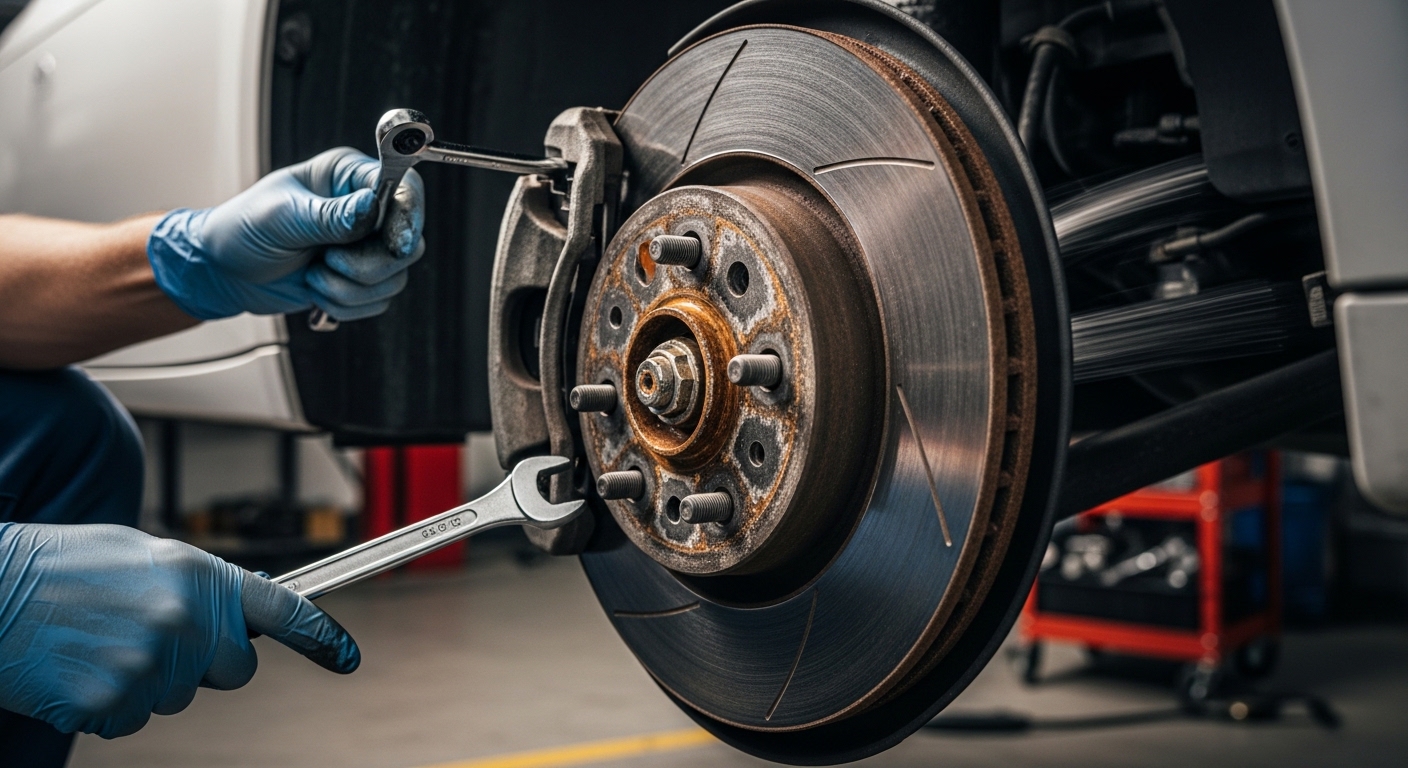
3. Vibrations When Braking
What it means:
Brake rotors may be warped or uneven.
Why it matters:
Vibrations can reduce braking efficiency and affect vehicle control.
What to do:
Have the rotors resurfaced or replaced.
4. Soft or Spongy Brake Pedal
What it means:
There may be air in the brake lines or low brake fluid.
Why it matters:
Reduced braking pressure can be dangerous.
What to do:
Check fluid levels and have the system inspected for leaks.
5. Car Pulling to One Side
What it means:
Uneven brake pad wear or a stuck caliper.
Why it matters:
This affects stability and steering control.
What to do:
Schedule a professional inspection to correct the imbalance.
6. Burning Smell While Driving
What it means:
Brakes may be overheating or a component could be stuck.
Why it matters:
Overheating can lead to brake failure.
What to do:
Pull over safely, allow the brakes to cool, and have them checked.
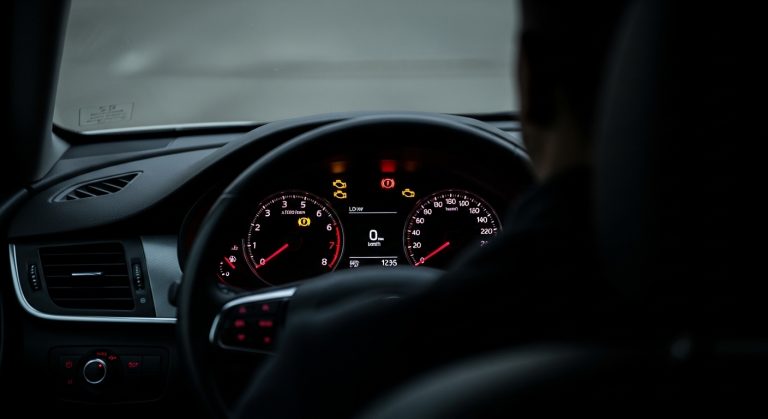
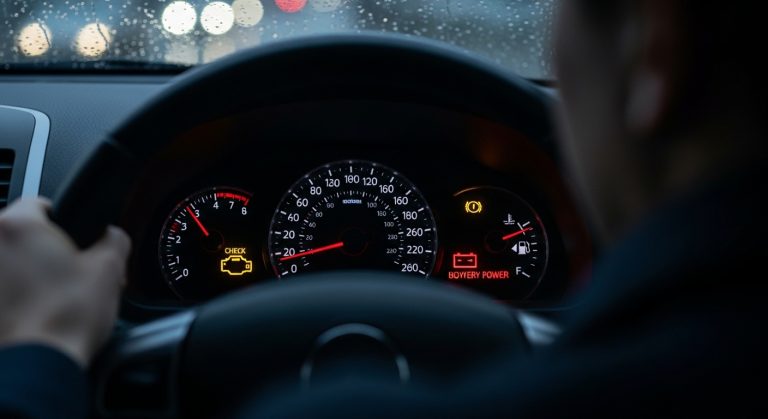
7. Brake Warning Light on Dashboard
What it means:
There may be low brake fluid, worn components, or a system issue.
Why it matters:
This is a direct alert that something needs attention.
What to do:
Do not ignore warning lights; get a professional diagnosis immediately.
Common Causes of Brake Problems
- Worn brake pads and rotors
- Low or contaminated brake fluid
- Leaking brake lines
- Faulty brake calipers
- Aggressive driving habits
Preventive Maintenance Tips
- Inspect brake pads every 10,000–15,000 km
- Replace brake fluid as recommended
- Avoid harsh braking when possible
- Pay attention to unusual sounds
- Schedule regular inspections
When to See a Professional Mechanic
You should seek expert help if you notice:
- Persistent noises or vibrations
- Reduced braking performance
- Fluid leaks under your vehicle
- Dashboard warning lights
Brake systems are essential for safety, so professional inspection is always recommended when issues arise.
Final Thoughts
Brake problems rarely occur without warning. By recognizing early signs and taking action quickly, you can avoid dangerous situations and costly repairs.
Maintaining your braking system is not just about performance—it is about ensuring your safety and the safety of others on the road.