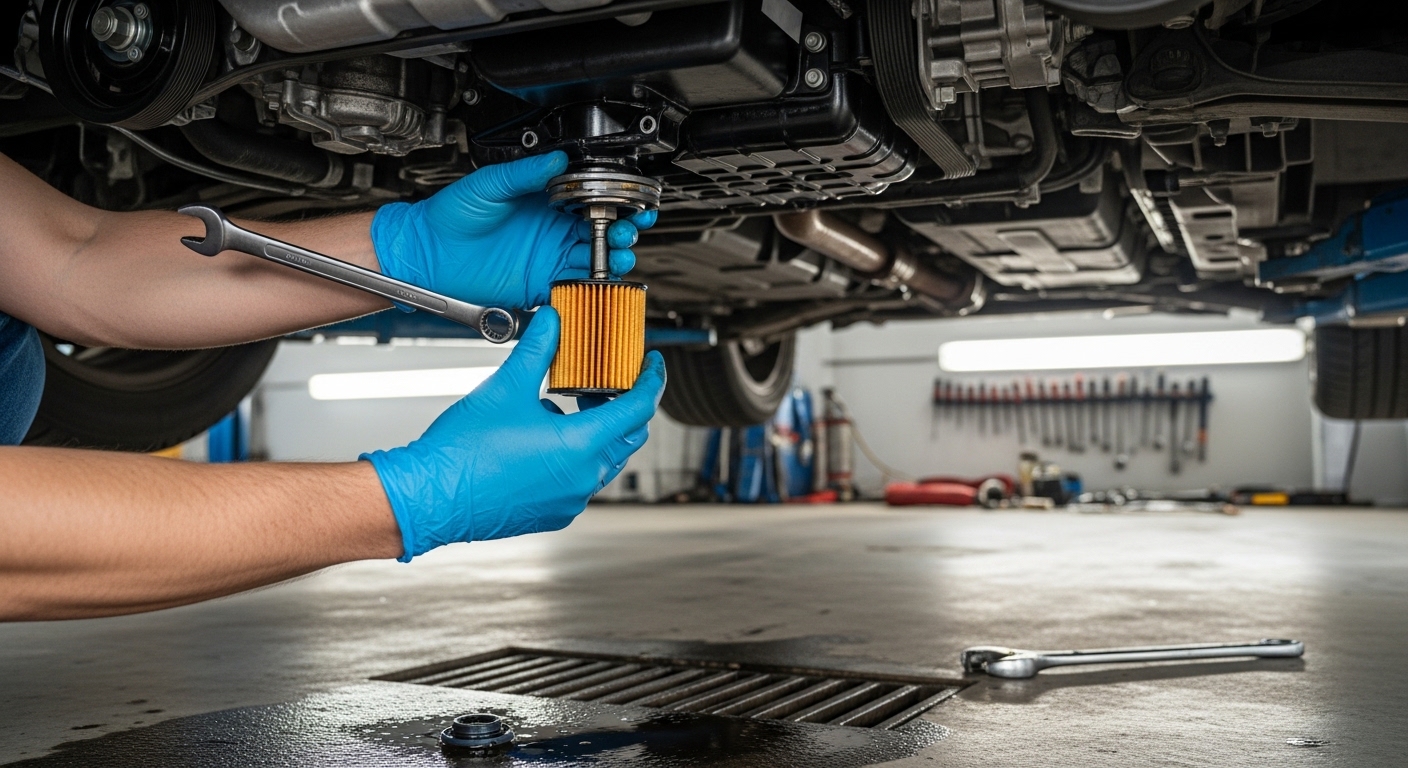
Oil Changes Explained: Why They Matter More Than You Think
Many drivers see an oil change as a simple routine task—something easy to delay when life gets busy. But engine oil plays a critical role in protecting your engine, improving performance, and preventing costly repairs. Skipping or postponing oil changes can lead to serious mechanical damage that is far more expensive than regular maintenance.
In this guide, you’ll learn how engine oil works, when to change it, warning signs to watch for, and why timely oil changes are one of the smartest investments in your vehicle’s health.
What Does Engine Oil Actually Do?
Engine oil is far more than just lubrication. It performs several essential functions:
- Reduces friction between moving engine parts
- Prevents overheating by carrying heat away from components
- Cleans the engine by trapping dirt, debris, and metal particles
- Protects against corrosion and wear
- Improves overall engine efficiency and fuel economy
Without clean, high-quality oil, internal engine parts can wear out quickly or even seize completely.
Why Oil Changes Are So Important
Over time, engine oil naturally:
- Breaks down due to heat
- Becomes contaminated with dirt and combustion residue
- Loses its ability to lubricate and protect
When oil degrades, the engine experiences increased friction, higher temperatures, and accelerated wear—all of which can shorten engine life.
Regular oil changes help:
- Extend engine lifespan
- Maintain smooth performance
- Improve fuel efficiency
- Reduce emissions
- Prevent expensive engine repairs
Simply put, fresh oil is one of the cheapest ways to protect one of the most expensive parts of your car.
How Often Should You Change Your Oil?
Oil change intervals vary depending on:
- Vehicle make and model
- Engine type and age
- Driving conditions
- Oil quality (conventional vs synthetic)
General Guidelines
- Every 5,000–10,000 km for most modern vehicles
- More frequently for stop-start driving, short trips, towing, or dusty environments
- Always follow your manufacturer’s logbook recommendations
Drivers in coastal areas like North Geelong may benefit from consistent servicing due to temperature changes and urban traffic conditions.
Signs Your Car May Need an Oil Change
Don’t rely only on mileage. Watch for warning signs such as:
- Dark, dirty, or thick oil on the dipstick
- Engine knocking or ticking noises
- Oil warning light on the dashboard
- Reduced fuel efficiency
- Burning oil smell inside or outside the vehicle
- Rough or sluggish engine performance
If you notice any of these symptoms, it’s wise to book an inspection promptly.
Conventional vs Synthetic Oil: What’s the Difference?
Conventional Oil
- Lower upfront cost
- Suitable for older engines
- Requires more frequent changes
Synthetic Oil
- Better heat resistance and lubrication
- Cleaner engine performance
- Longer service intervals
- Often better long-term value
A professional mechanic can recommend the best oil type for your specific vehicle and driving habits.
What Happens If You Skip Oil Changes?
Delaying oil changes can lead to:
- Sludge buildup inside the engine
- Overheating and increased friction
- Premature wear of pistons, bearings, and camshafts
- Reduced fuel efficiency
- Complete engine failure in severe cases
Engine replacement is one of the most expensive automotive repairs, making routine oil changes incredibly cost-effective.
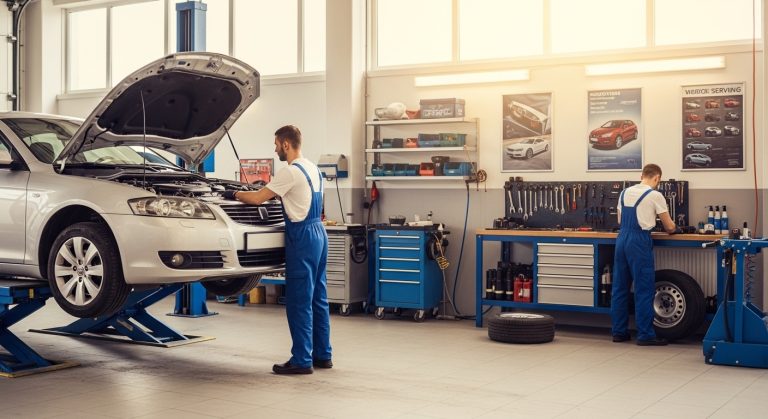
Why Professional Oil Changes Make a Difference
While oil changes may seem simple, professional servicing ensures:
- Correct oil grade and quantity
- Genuine or high-quality oil filters
- Inspection for leaks or developing issues
- Safe disposal of old oil
- Overall safety check of key components
A trusted local workshop such as Malik Automotive provides accurate servicing, quality parts, and honest advice to keep your engine running smoothly.
Simple Tips to Protect Your Engine Between Oil Changes
You can extend engine life by:
- Checking oil level monthly
- Watching for warning lights or leaks
- Using the correct fuel type
- Avoiding aggressive driving when the engine is cold
- Following your regular service schedule
These small habits make a big difference in long-term reliability.
Final Thoughts
Oil changes may seem minor, but they are one of the most important maintenance tasks for any vehicle. Clean engine oil protects internal components, improves efficiency, and prevents costly breakdowns.
By staying consistent with oil changes and working with a reliable mechanic, you can enjoy longer engine life, smoother performance, and peace of mind every time you drive.