What Causes Poor Fuel Economy in Cars?
Poor fuel economy is a common concern for drivers, as it leads to higher fuel costs and more frequent trips to the gas station. If your car seems to be consuming more fuel than usual, several factors could be responsible. Identifying the cause can help you save money, reduce emissions, and improve your vehicle’s overall performance.
Here’s a detailed guide on the main reasons cars experience poor fuel economy and what you can do to fix it.
1. Improper Tire Pressure
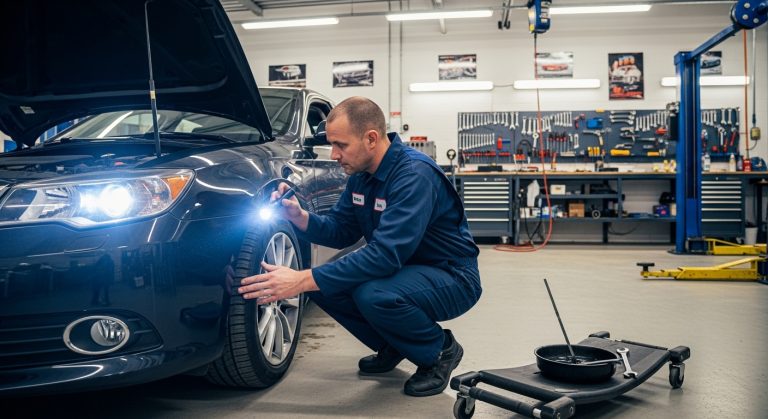
Tires that are underinflated create more rolling resistance, which forces the engine to work harder and consume more fuel. Conversely, overinflated tires can reduce traction, affecting vehicle control and safety.
How to prevent it:
- Check tire pressure regularly (at least once a month).
- Maintain tires at the recommended PSI listed in your car’s manual or inside the driver-side door frame.
- Inspect tires for uneven wear that could indicate alignment issues.
2. Dirty or Clogged Air Filter
The air filter ensures your engine receives clean air for combustion. A clogged or dirty air filter restricts airflow, forcing the engine to work harder and burn more fuel.
Signs of a dirty air filter:
- Poor acceleration
- Rough engine performance
- Decreased fuel efficiency
Solution: Replace the air filter according to your manufacturer’s recommended schedule or sooner if driving in dusty conditions.
3. Worn Spark Plugs or Ignition Issues
Spark plugs ignite the air-fuel mixture in the engine. If they are worn or malfunctioning, combustion becomes inefficient, leading to increased fuel consumption.
Symptoms of ignition problems:
- Engine misfires
- Rough idling
- Difficulty starting the car
- Reduced power and acceleration
Replacing spark plugs and maintaining the ignition system can restore fuel efficiency.
4. Aggressive Driving Habits
How you drive has a major impact on fuel consumption. Rapid acceleration, hard braking, and speeding all increase fuel usage.
Tips to drive efficiently:
- Accelerate gradually and maintain a steady speed
- Use cruise control on highways
- Avoid unnecessary idling
- Anticipate traffic to reduce sudden stops and starts
5. Excessive Weight or Poor Load Management
Carrying heavy loads or unnecessary items can reduce fuel economy. Roof racks, bike carriers, or cargo boxes also increase wind resistance, making the engine work harder.
How to improve fuel efficiency:
- Remove unnecessary items from your car
- Limit roof-mounted accessories
- Balance cargo to avoid strain on one side of the vehicle
6. Faulty Oxygen Sensors or Engine Sensors
Modern cars rely on sensors to optimize fuel injection and engine performance. A failing oxygen sensor or other critical sensors can send incorrect data to the engine control unit (ECU), resulting in inefficient combustion.
Warning signs:
- Check engine light appears
- Reduced fuel economy
- Rough idling or misfires
Diagnostic testing at a service center can identify and resolve sensor-related issues.
7. Transmission Problems
A malfunctioning transmission can reduce fuel efficiency by causing the engine to run at higher RPMs than necessary.
Signs of transmission-related fuel loss:
- Engine revs high but speed is low
- Delayed gear shifts
- Slipping or jerking during acceleration
Regular transmission maintenance, such as fluid changes, helps maintain optimal performance.
8. Low-Quality Fuel
Using poor-quality or incorrect fuel can affect engine efficiency. Some fuels may contain impurities or lower octane levels than recommended, causing the engine to burn fuel less efficiently.
Solution: Always use the fuel grade recommended in your owner’s manual and fill up at reputable gas stations.
9. Neglected Vehicle Maintenance
Skipping routine maintenance can affect fuel economy in multiple ways:
- Worn-out brakes may drag, increasing engine load
- Dirty fuel injectors may reduce combustion efficiency
- Old engine oil can increase friction and fuel consumption
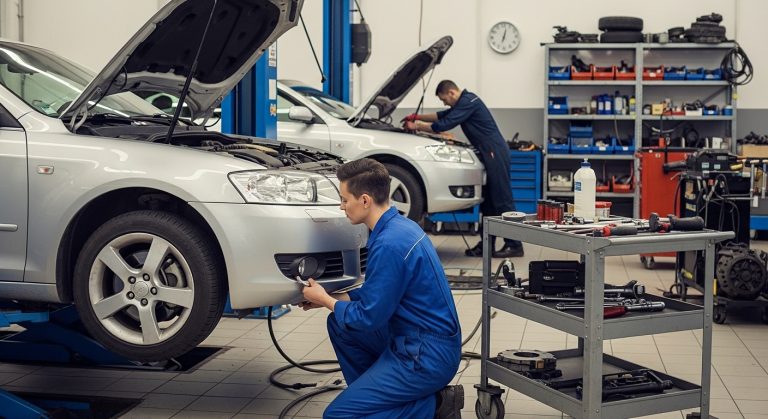
Regular servicing helps maintain all vehicle components in good working order.
10. Aerodynamic Drag
Factors like open windows, roof racks, or spoilers can increase air resistance, especially at higher speeds, reducing fuel efficiency.
Tip: Minimize roof-mounted accessories and keep windows closed at highway speeds for better fuel economy.
How to Improve Fuel Economy
Here are practical steps to increase your car’s fuel efficiency:
- Maintain proper tire pressure and alignment
- Replace air filters, spark plugs, and worn fluids on schedule
- Drive smoothly and avoid aggressive acceleration
- Reduce unnecessary weight and aerodynamic drag
- Perform regular engine diagnostics to catch sensor or mechanical issues
Final Thoughts
Poor fuel economy can result from a combination of mechanical problems, driving habits, and environmental factors. While some causes like sensor failures or engine issues require professional attention, others—like tire pressure, driving style, and load management—can be controlled by the driver.
By understanding the factors affecting fuel efficiency and maintaining your vehicle properly, you can save money on fuel, reduce emissions, and enjoy a smoother, more reliable driving experience.