Minor vs Major Car Service: What’s the Real Difference?
Regular vehicle servicing is essential for keeping your car safe, reliable, and cost-efficient. But many drivers aren’t sure whether they need a minor service or a major service—and understanding the difference can help you maintain your vehicle properly while avoiding unnecessary expenses.
This guide explains what each service includes, when they’re required, typical costs, and why both are important for long-term vehicle health.
Why Car Servicing Matters
Every vehicle experiences natural wear and tear from daily driving, stop-start traffic, changing temperatures, and road conditions. Without routine servicing:
- Small issues can turn into major mechanical failures
- Fuel efficiency may decrease
- Safety systems like brakes and tyres may become unreliable
- Repair costs can increase significantly over time
Following the correct service schedule helps keep your car running smoothly and safely on the road.
What Is a Minor Car Service?
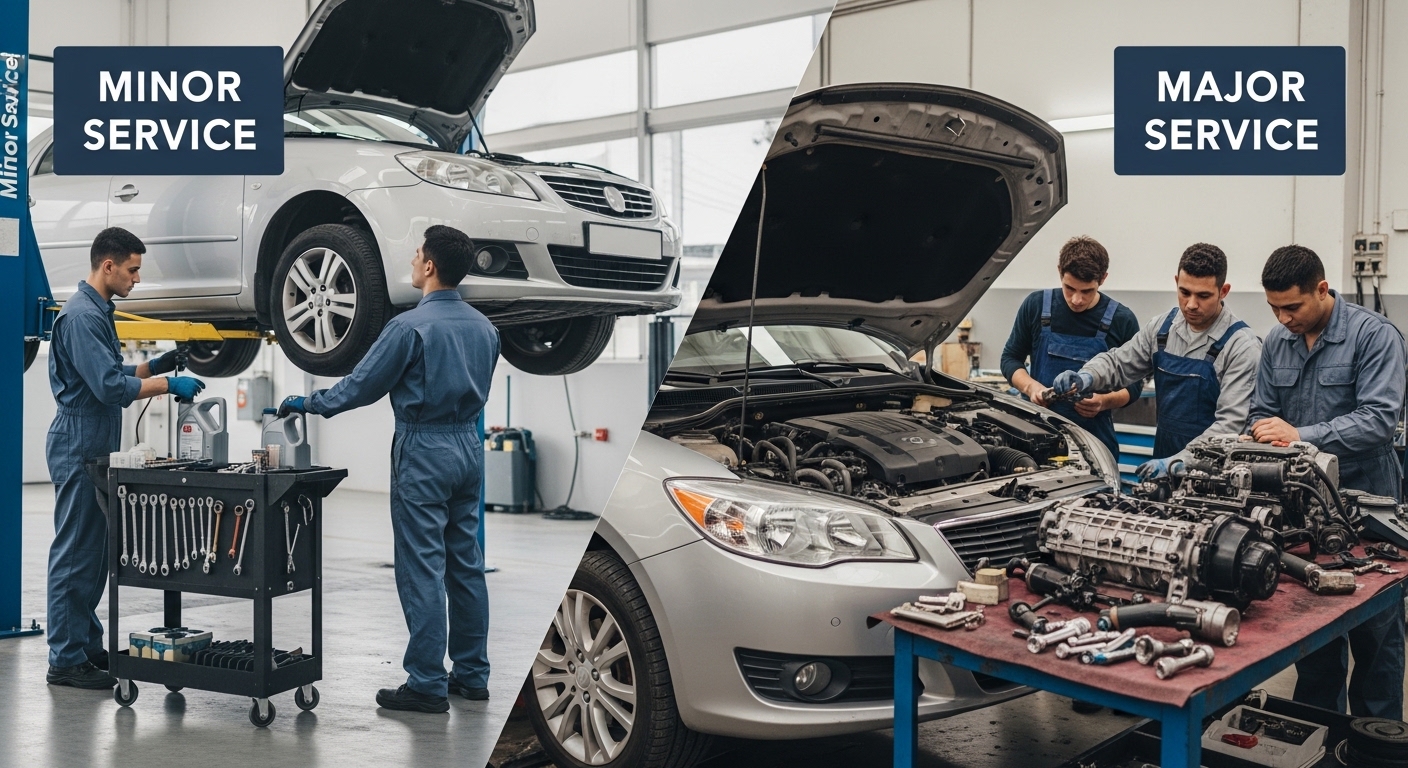
A minor service is a routine maintenance check designed to keep your vehicle in good working condition between major services.
Typical Inclusions
Most minor services include:
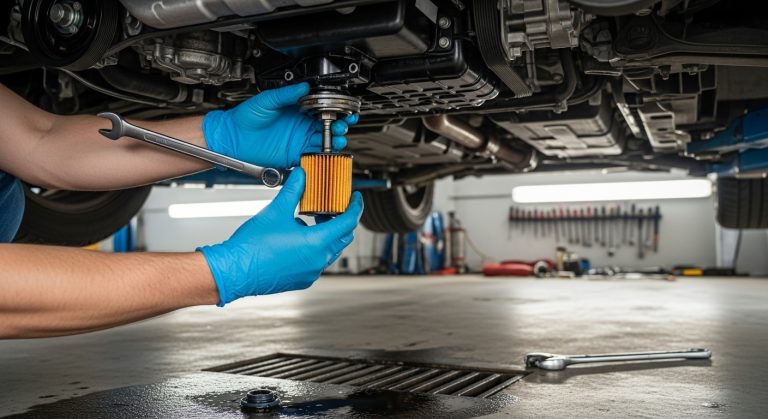
- Engine oil and oil filter replacement
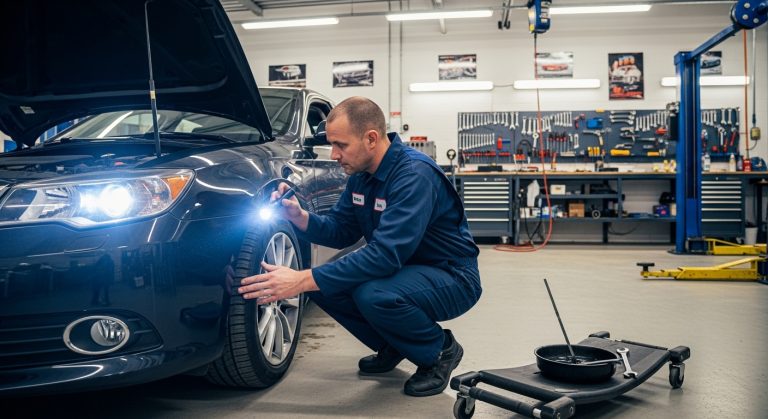
- Inspection of brakes, tyres, and suspension
- Fluid level checks and top-ups (coolant, brake fluid, washer fluid, etc.)
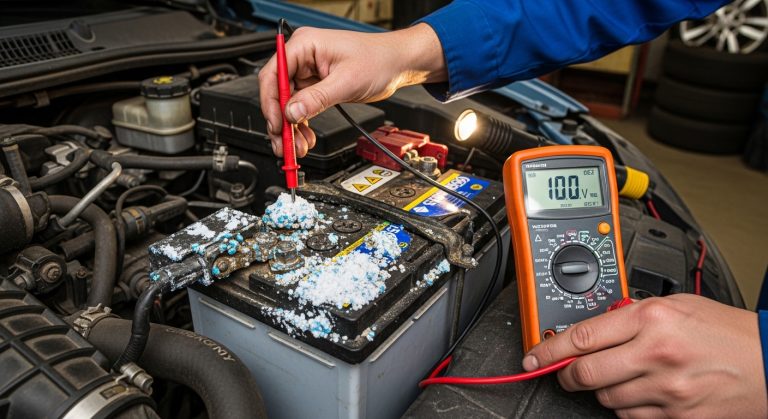
- Battery and electrical system check
- Basic safety inspection and visual diagnostics
These checks ensure your car continues to operate efficiently and safely.
How Often Is a Minor Service Needed?
Generally recommended:
- Every 10,000 km or 6 months, whichever comes first
- More frequently for heavy driving, short trips, or commercial use
Regular minor servicing helps prevent premature wear and unexpected breakdowns.
What Is a Major Car Service?
A major service is a comprehensive inspection and maintenance procedure performed at longer intervals. It goes far beyond routine oil changes to address deeper mechanical components and long-term reliability.
Typical Inclusions
In addition to everything in a minor service, a major service may include:
- Replacement of air filter and cabin filter
- Spark plug replacement (for petrol vehicles)
- Fuel system inspection and cleaning
- Brake fluid replacement
- Detailed suspension and steering inspection
- Drive belt and hose condition checks
- Full computer diagnostics scan
- Comprehensive road test
This thorough process helps identify hidden issues before they become costly repairs.
How Often Is a Major Service Needed?
Usually required:
- Every 30,000–60,000 km or
- Every 12–24 months, depending on manufacturer guidelines
Always check your vehicle logbook schedule for the correct interval.
Which Service Does Your Car Need?
You likely need a minor service if:
- It’s been about 6 months or 10,000 km since your last visit
- Your car is running normally with no warning signs
You may need a major service if:
- You’ve reached a logbook milestone (30k, 60k, etc.)
- The car feels less smooth or efficient
- Warning lights or unusual noises appear
- It’s been over a year since the last full service
When in doubt, a professional inspection can recommend the right level of servicing.
Cost vs Long-Term Savings
While a major service costs more upfront, it can save significant money by:
- Preventing engine or transmission damage
- Extending component lifespan
- Maintaining fuel efficiency
- Preserving resale value
Skipping major servicing often leads to expensive repairs later.
Choosing a Trusted Workshop for Servicing
Quality servicing depends on:
- Experienced, qualified mechanics
- Modern diagnostic equipment
- Genuine or high-quality replacement parts
- Transparent pricing and clear communication
A reputable local workshop such as Malik Automotive focuses on honest advice, thorough inspections, and reliable servicing for all makes and models.
Final Thoughts
Understanding the difference between minor and major car service helps you maintain your vehicle correctly, avoid breakdowns, and control long-term costs.
- Minor services keep your car running day-to-day
- Major services protect long-term performance and safety
By following the recommended schedule and working with a trusted mechanic, you can enjoy safer driving, better reliability, and peace of mind on every journey.