How to Tell If Your Car’s Suspension System Needs Repair
Your car’s suspension system plays a critical role in keeping your vehicle stable, comfortable, and safe on the road. Many drivers focus on the engine, brakes, and tires but often overlook the suspension system until serious problems appear. A properly functioning suspension system absorbs shocks from the road, maintains tire contact with the surface, and ensures smooth handling while driving.
If your suspension begins to fail, it can affect steering control, braking performance, and overall ride comfort. Recognizing the early warning signs can help prevent costly repairs and improve driving safety.
This guide explains how the suspension system works, common warning signs of suspension problems, and when you should have your vehicle inspected.
What Is a Car Suspension System?
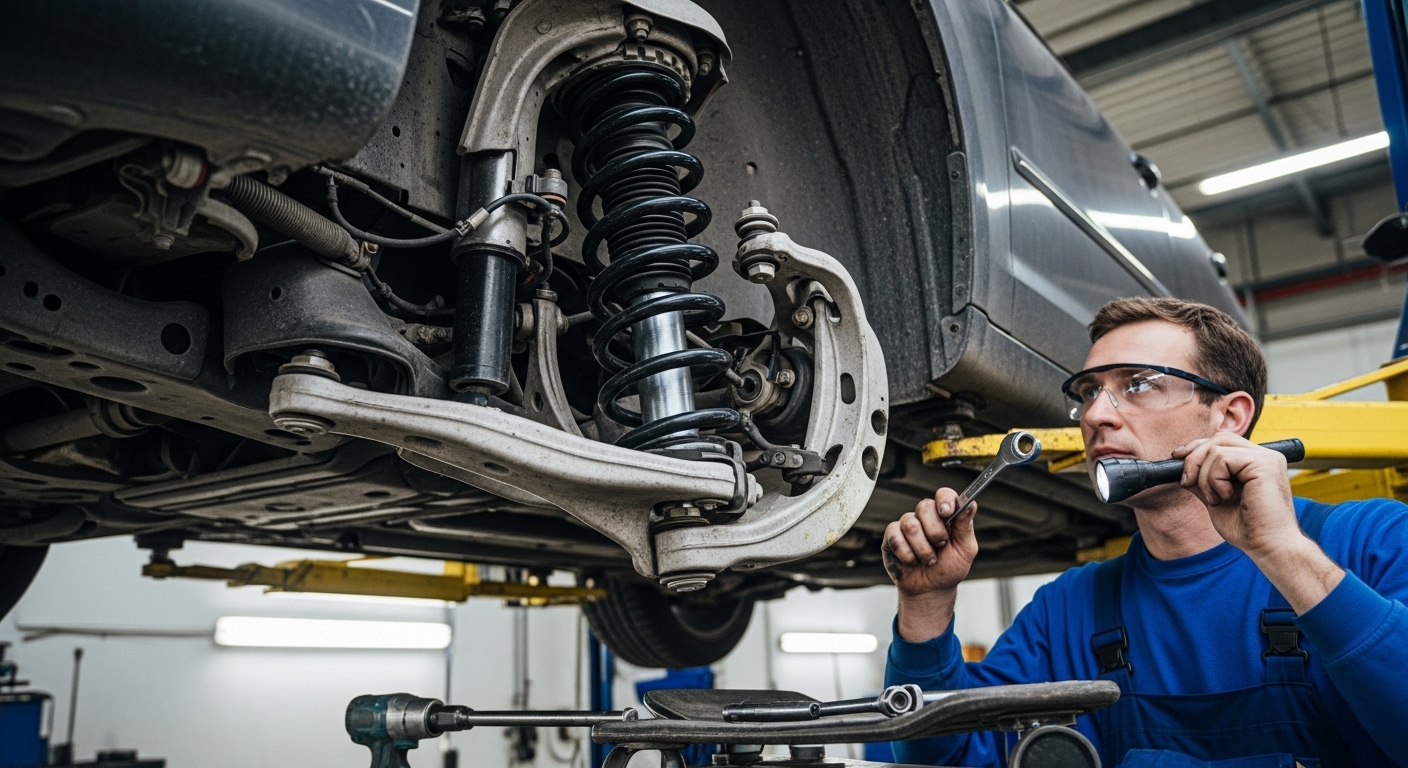
The suspension system is a network of components that connects your vehicle to its wheels and helps absorb bumps and vibrations from the road. It is designed to maintain stability while improving comfort and handling.
Major components of a suspension system include:
- Shock absorbers or struts
- Springs (coil springs or leaf springs)
- Control arms
- Ball joints
- Sway bars
- Bushings
These parts work together to ensure your tires remain in proper contact with the road, allowing for safe braking, cornering, and steering.
Common Signs Your Car’s Suspension System Needs Repair
Identifying suspension issues early can prevent further damage and reduce repair costs. Here are the most common signs your suspension system may need attention.
1. Excessive Bouncing After Hitting Bumps
One of the clearest signs of suspension trouble is excessive bouncing when driving over bumps or rough roads. Normally, your suspension should absorb the impact and stabilize the car quickly.
If your vehicle continues to bounce multiple times after hitting a bump, your shock absorbers or struts may be worn out.
2. Rough or Uncomfortable Ride
If you suddenly notice that every small bump on the road feels more noticeable than before, it could indicate worn suspension components.
A failing suspension system cannot absorb road vibrations effectively, leading to a rough and uncomfortable driving experience.
3. Vehicle Pulling to One Side While Driving
If your car drifts or pulls to one side while driving, it may indicate a suspension problem. Although wheel alignment is often the cause, damaged suspension parts such as control arms or worn bushings can also affect vehicle balance.
Ignoring this issue can lead to uneven tire wear and poor handling.
4. Nose Diving When Braking
When you apply the brakes, your car’s weight naturally shifts forward. However, the suspension system should control this movement.
If the front of your vehicle dips or “dives” excessively during braking, it may indicate worn shock absorbers or struts. This can reduce braking stability and increase stopping distance.
5. Uneven Tire Wear
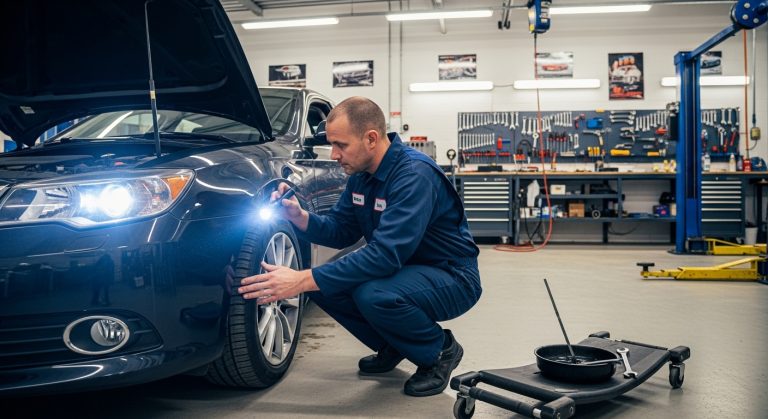
Uneven tire wear is often a strong indicator of suspension problems. When suspension components are worn or damaged, the tires may not stay evenly aligned with the road surface.
Common tire wear patterns caused by suspension issues include:
- Excessive wear on one side of the tire
- Bald spots on tires
- Irregular tread wear
Regular tire inspections can help detect suspension issues early.
6. Clunking or Knocking Noises
Strange noises coming from underneath your vehicle when driving over bumps or turning may signal suspension damage.
Common causes include:
- Worn ball joints
- Loose control arms
- Damaged sway bar links
- Worn bushings
These components can produce clunking or knocking sounds when they become loose or worn.
7. Steering Feels Loose or Hard to Control
Your suspension system works closely with the steering system. If steering suddenly feels loose, unstable, or harder to control, it could be related to suspension issues.
Drivers may notice:
- Steering wheel vibration
- Delayed response when turning
- Difficulty maintaining control on uneven roads
These symptoms should be inspected by a professional mechanic as soon as possible.
Why Suspension Repairs Should Not Be Ignored
Driving with a damaged suspension system can create several safety risks and long-term vehicle damage.
Potential consequences include:
- Reduced steering control
- Increased braking distance
- Uneven tire wear
- Higher risk of accidents
- Additional damage to other vehicle components
Fixing suspension problems early can prevent expensive repairs and keep your vehicle operating safely.
How Often Should Suspension Be Checked?
Most automotive experts recommend having your suspension system inspected during routine servicing or at least once a year.
You should also have it checked if:
- You frequently drive on rough or uneven roads
- Your vehicle has high mileage
- You notice any of the warning signs mentioned earlier
Regular inspections help ensure that worn parts are replaced before they cause major problems.
Tips to Extend the Life of Your Suspension System
While suspension components naturally wear out over time, certain driving habits can help extend their lifespan.
Helpful tips include:
- Avoid potholes and rough roads when possible
- Reduce speed when driving over speed bumps
- Maintain proper tire pressure
- Keep your wheels aligned regularly
- Avoid overloading your vehicle
These simple steps can reduce stress on suspension components and improve overall vehicle performance.
Final Thoughts
Your car’s suspension system is essential for maintaining comfort, stability, and safety on the road. Ignoring early warning signs such as excessive bouncing, uneven tire wear, strange noises, or poor handling can lead to serious mechanical issues and expensive repairs.
By paying attention to these symptoms and scheduling regular vehicle inspections, you can ensure your suspension system continues to perform effectively and keep your driving experience smooth and safe.
If you notice any of these signs, it’s best to have your suspension system inspected by a qualified mechanic to prevent further damage and maintain optimal vehicle performance.