How to Prepare Your Car for a Long Road Trip
Long road trips can be fun and memorable, but they also put extra stress on your vehicle. Whether it’s a weekend getaway or a cross-country adventure, preparing your car properly is crucial for safety, comfort, and avoiding unexpected breakdowns.
Here’s a complete guide to help you get your car ready for a long journey.
1. Check Your Vehicle Fluids
Fluids are the lifeblood of your car, and ensuring they’re at the correct levels can prevent major problems during a road trip.
Essential fluids to check:
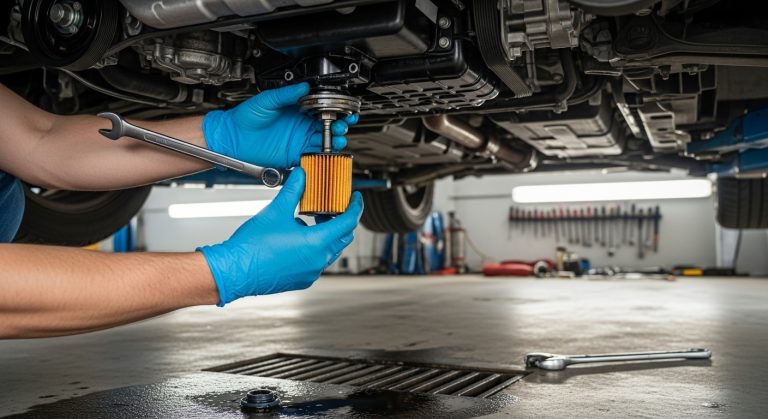
- Engine oil: Check the level and quality. If it’s dirty or low, change it before the trip.
- Coolant/antifreeze: Ensures your engine doesn’t overheat. Top it up if necessary.
- Brake fluid: Low or dirty brake fluid can affect braking performance.
- Transmission fluid: Vital for smooth gear shifts.
- Windshield washer fluid: Helps keep your windshield clean for safe visibility.
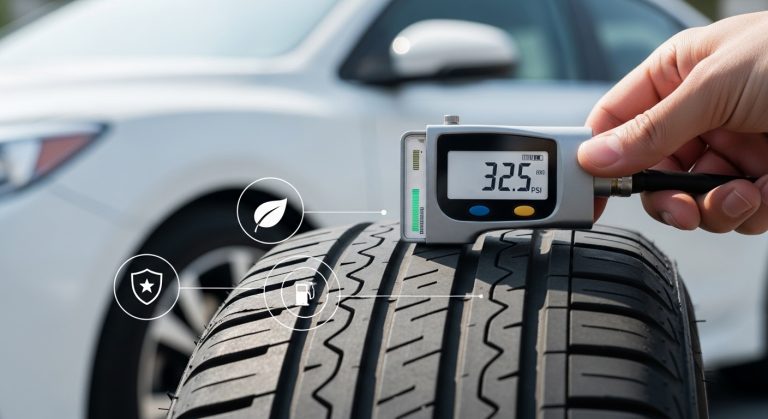
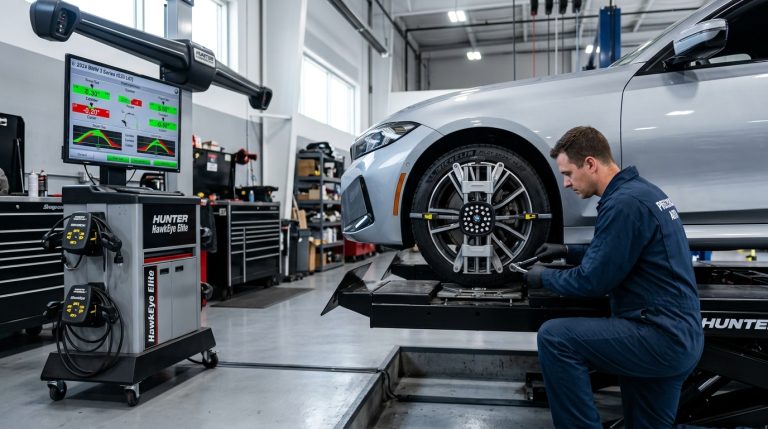
2. Inspect Tires
Tires are critical for safety and fuel efficiency.
What to check:
- Tire pressure: Inflate all tires to the recommended PSI.
- Tread depth: Ensure tires aren’t worn out. Replace them if the tread is too low.
- Spare tire: Check that it’s in good condition and properly inflated.
- Look for damage: Check for cracks, bulges, or punctures.
3. Test Your Brakes
Your brakes must be in excellent condition for a long trip.
Things to do:
- Listen for squeaking or grinding noises.
- Check brake pads and discs for wear.
- Ensure the brake pedal feels firm.
If anything feels off, have a mechanic inspect your brakes before departure.
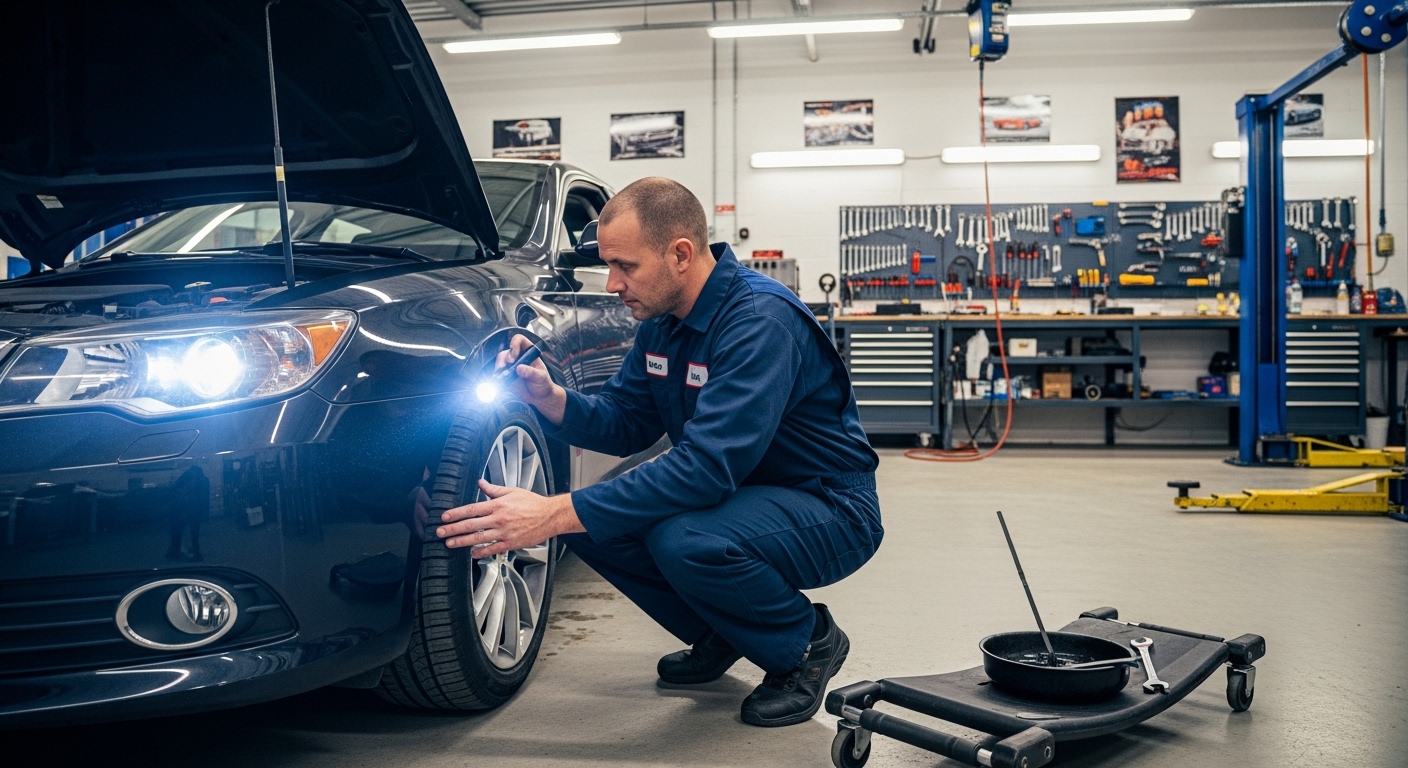
4. Inspect Lights and Signals
Properly working lights are essential for safety, especially if you’re driving at night or in bad weather.
Check:
- Headlights (high and low beams)
- Brake lights
- Turn signals
- Hazard lights
- Fog lights
Replace any burnt-out bulbs and clean lenses for maximum visibility.
5. Examine Belts and Hoses
Belts and hoses are critical for engine performance.
- Look for cracks, fraying, or signs of wear.
- Make sure hoses aren’t leaking and are securely connected.
Replacing worn belts and hoses before a trip can prevent roadside breakdowns.
6. Pack an Emergency Kit
Unexpected situations can happen during long trips. A well-stocked emergency kit can be a lifesaver.
Essentials to include:
- Jumper cables
- First-aid kit
- Flashlight with extra batteries
- Basic tools (wrench, screwdrivers)
- Tire repair kit or inflator
- Water and snacks
- Blankets or warm clothing
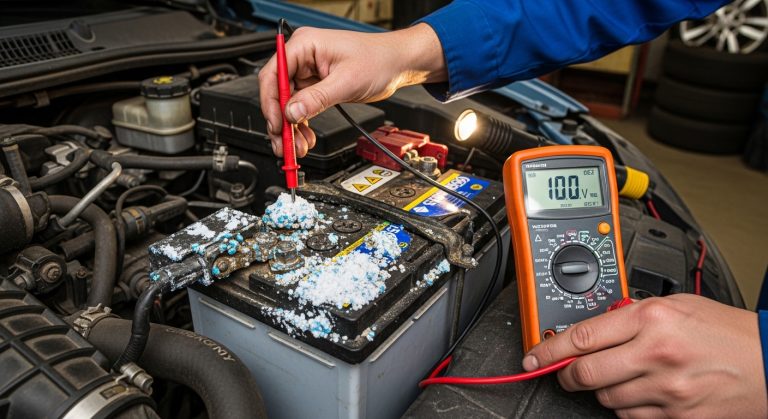
7. Check Battery Health
Your battery must be in good condition to avoid being stranded.
- Check for corrosion on terminals.
- Test the battery voltage if possible.
- Replace a weak or old battery before your trip.
8. Plan Your Route and Stops
A long road trip isn’t just about the car—it’s also about planning your journey.
- Know where fuel stations and rest stops are.
- Plan breaks every 2–3 hours to avoid fatigue.
- Check for any road closures or construction along your route.
9. Load Your Car Smartly
How you load your car affects handling and fuel efficiency.
- Don’t overload your vehicle beyond the manufacturer’s recommended weight limit.
- Place heavier items low and centered in the car.
- Secure all items to prevent them from shifting during sudden stops.
10. Final Pre-Trip Check
Before leaving:
- Make sure your registration, insurance, and roadside assistance are up to date.
- Ensure your navigation system or GPS is working.
- Confirm tire pressure, fluid levels, and lights one last time.
Final Thoughts
Preparing your car for a long road trip ensures safety, comfort, and peace of mind. By checking fluids, tires, brakes, lights, belts, and packing an emergency kit, you can reduce the risk of breakdowns and focus on enjoying your journey.
A little preparation goes a long way in making sure your road trip is smooth, stress-free, and memorable.