When Does Your Car Really Need a Full Service?
Many drivers wait until something feels wrong before booking a service—but by then, damage may already be developing. Knowing exactly when your car needs a full service helps prevent breakdowns, improves safety, and saves money on major repairs.
This guide explains the right timing, warning signs, service intervals, and benefits of getting a full professional vehicle service.
What Is a Full Car Service?
A full car service is a comprehensive inspection and maintenance procedure that goes beyond a basic oil change or safety check. It focuses on:
- Replacing worn service parts
- Inspecting critical mechanical systems
- Running computer diagnostics
- Preventing future mechanical failures
The goal is to keep your vehicle safe, reliable, and efficient for long-term driving.
Standard Mileage and Time Intervals
Most vehicles require a full service:
- Every 30,000–60,000 km, depending on manufacturer guidelines
- Every 12–24 months, even if mileage is low
- According to the logbook service schedule
Ignoring these intervals increases the risk of engine wear, brake problems, and costly breakdowns.
Warning Signs Your Car Needs a Full Service Sooner
Even if you haven’t reached the usual interval, your vehicle may need attention if you notice:
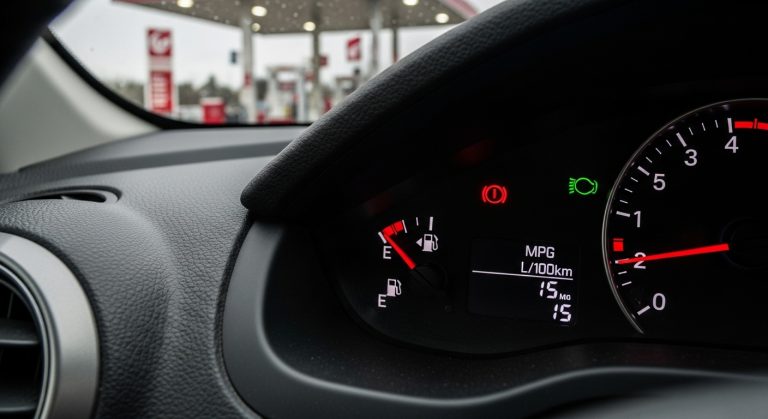
- Dashboard warning lights staying on
- Reduced fuel efficiency
- Rough idling or loss of power
- Vibrations while driving or braking
- Strange noises (knocking, grinding, squealing)
- Difficulty starting the engine
- Smoke or unusual smells
These symptoms often indicate underlying mechanical or electrical issues that require a thorough inspection.
What’s Included in a Full Service?
While inclusions vary by vehicle type, a typical full service may cover:
Engine and Filters
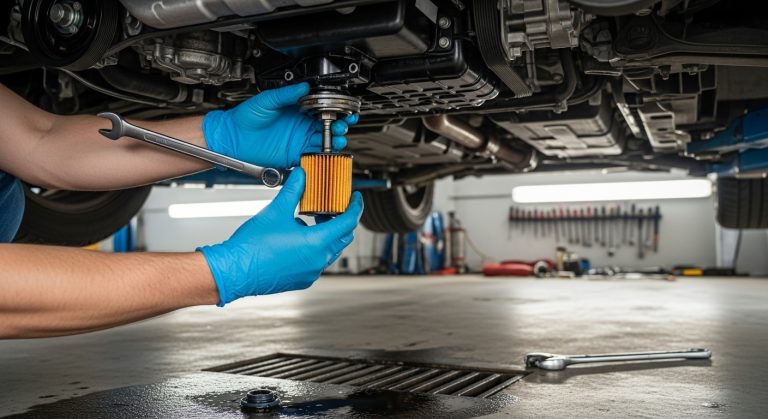
- Engine oil and oil filter replacement
- Air filter and cabin filter replacement
- Spark plug inspection or replacement
Fluids and Cooling System
- Coolant level and condition check
- Brake fluid inspection or replacement
- Transmission and power steering fluid checks
Brakes, Tyres, and Suspension
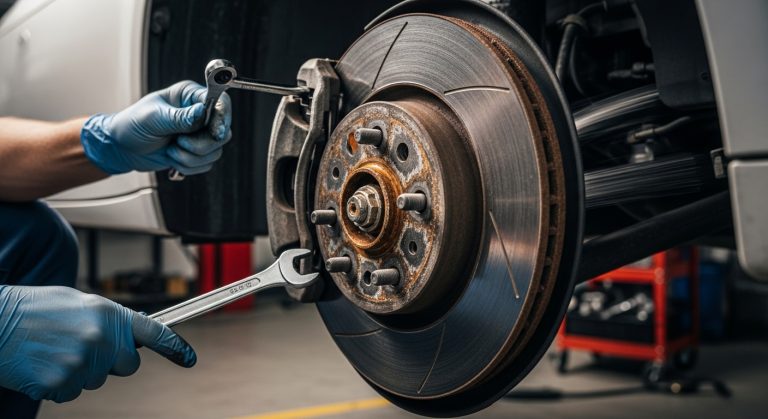
- Brake pad and disc inspection
- Tyre tread depth and pressure check
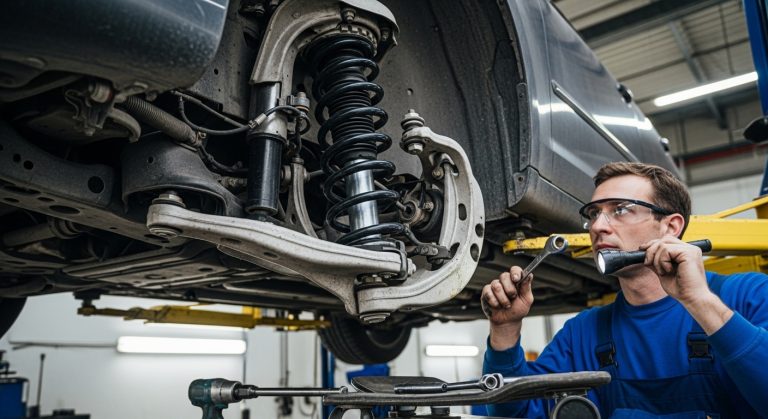
- Suspension and steering component inspection
Electrical and Diagnostics
- Battery health and charging system test
- Full computer diagnostic scan
- Lights, indicators, and safety systems check
Road Test and Safety Inspection
- Performance assessment under driving conditions
- Noise, vibration, and handling evaluation
This detailed process helps detect hidden issues before they become expensive repairs.
Driving Habits That Require More Frequent Full Servicing
Some conditions place extra stress on your vehicle, meaning you may need servicing sooner:
- Short daily trips where the engine doesn’t fully warm up
- Heavy stop-start traffic
- Towing or carrying heavy loads
- Coastal environments with salty air
- Extreme heat or temperature changes
Drivers in North Geelong often experience coastal moisture and urban traffic, making consistent servicing especially important.
What Happens If You Delay a Full Service?
Postponing maintenance can lead to:
- Accelerated engine wear from dirty oil
- Brake system damage from worn components
- Overheating due to degraded coolant
- Reduced fuel efficiency
- Higher long-term repair costs
- Increased breakdown risk
In many cases, preventative servicing is far cheaper than emergency repairs.
Choosing the Right Workshop for a Full Service
A proper full service depends on skilled technicians, correct equipment, and honest advice. Look for:
- Qualified, experienced mechanics
- Modern diagnostic tools
- Genuine or high-quality replacement parts
- Transparent quotes before work begins
- Strong local reputation
A trusted local workshop like Malik Automotive provides thorough inspections, clear communication, and reliable servicing to keep drivers safe on the road.
Simple Checks Between Full Services
You can extend vehicle life by regularly:
- Checking tyre pressure monthly
- Monitoring fluid levels
- Watching for warning lights
- Listening for unusual noises
- Booking inspections as soon as issues appear
These small habits help catch problems early.
Final Thoughts
So, when does your car really need a full service?
- At manufacturer-recommended kilometre or time intervals
- Whenever warning signs or performance issues appear
- More frequently under heavy driving or coastal conditions
Staying proactive with full servicing ensures better safety, smoother performance, and lower long-term costs—giving you confidence every time you drive.